LAHORE – Hotels, restaurants, coffee shops and marriage halls across Punjab are facing regulatory crackdown as Punjab Revenue Authority (PRA) moves to tighten its grip on business transactions, warning of penalties reaching Rs1 million and possible closure of establishments that fail to comply with electronic billing requirements.
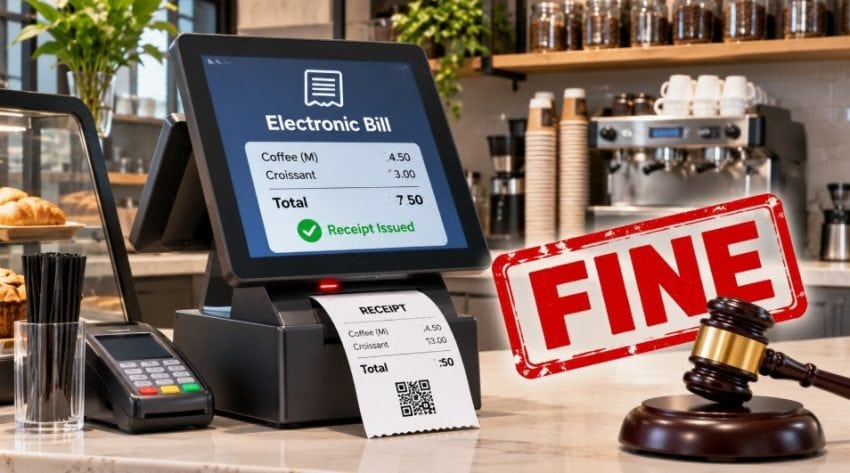
The provincial revenue authority directed businesses in hospitality and wedding sectors to issue computerized receipts through the Electronic Invoice Monitoring System (EIMS), replacing conventional handwritten bills and temporary payment slips. Under directives, businesses will no longer be permitted to hand customers manually prepared receipts, provisional bills or kitchen order slips as proof of final payment.
Every transaction must be documented through electronically generated invoice carrying essential details, including the establishment’s name, business address, unique invoice number and an official PRA QR code.
The revenue authority warned that businesses ignoring electronic invoicing requirements could face financial penalties ranging from Rs400,000 to Rs1 million, depending on the violation. The consequences could become even more serious for repeat offenders, with authorities empowered to seal non-compliant business premises for up to one month.
The crackdown will not be limited to businesses refusing to issue computerized receipts. PRA has also warned of legal proceedings against establishments found manipulating sales records, generating fraudulent electronic invoices or interfering with officials conducting inspections and enforcement operations.
The enforcement drive comes as PRA Chairman Moazzam Iqbal Sipra has directed the hotel industry to achieve complete installation of the Electronic Invoice Monitoring System before the end of November 2026.
During a meeting with representatives of the Hotels Association, the chairman stressed that issuing computerized receipts to customers was not an optional business practice but a mandatory legal obligation. He instructed industry representatives to ensure 100% implementation of the electronic invoicing system by November 30, signaling the authority’s determination to bring hospitality businesses into the documented tax framework.
The latest instructions are expected to change billing practices across Punjab’s hospitality industry, particularly at restaurants, hotels and wedding venues where customers have traditionally been provided with handwritten receipts or temporary payment slips. With introduction of electronically monitored invoices, authorities aim to establish a clearer record of transactions and strengthen oversight of sales tax payments.
Officials believe the system will help identify discrepancies in reported sales, discourage the concealment of taxable income and improve transparency in revenue collection. For customers, the new requirements mean that a proper computerized receipt displaying the PRA QR code must be provided against services received.
Revenue officials clarified that the maximum fine does not automatically apply to every violation. The applicable financial penalties range between Rs400,000 and Rs1 million, while repeated non-compliance may result in temporary closure for up to 30 days.