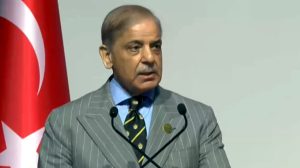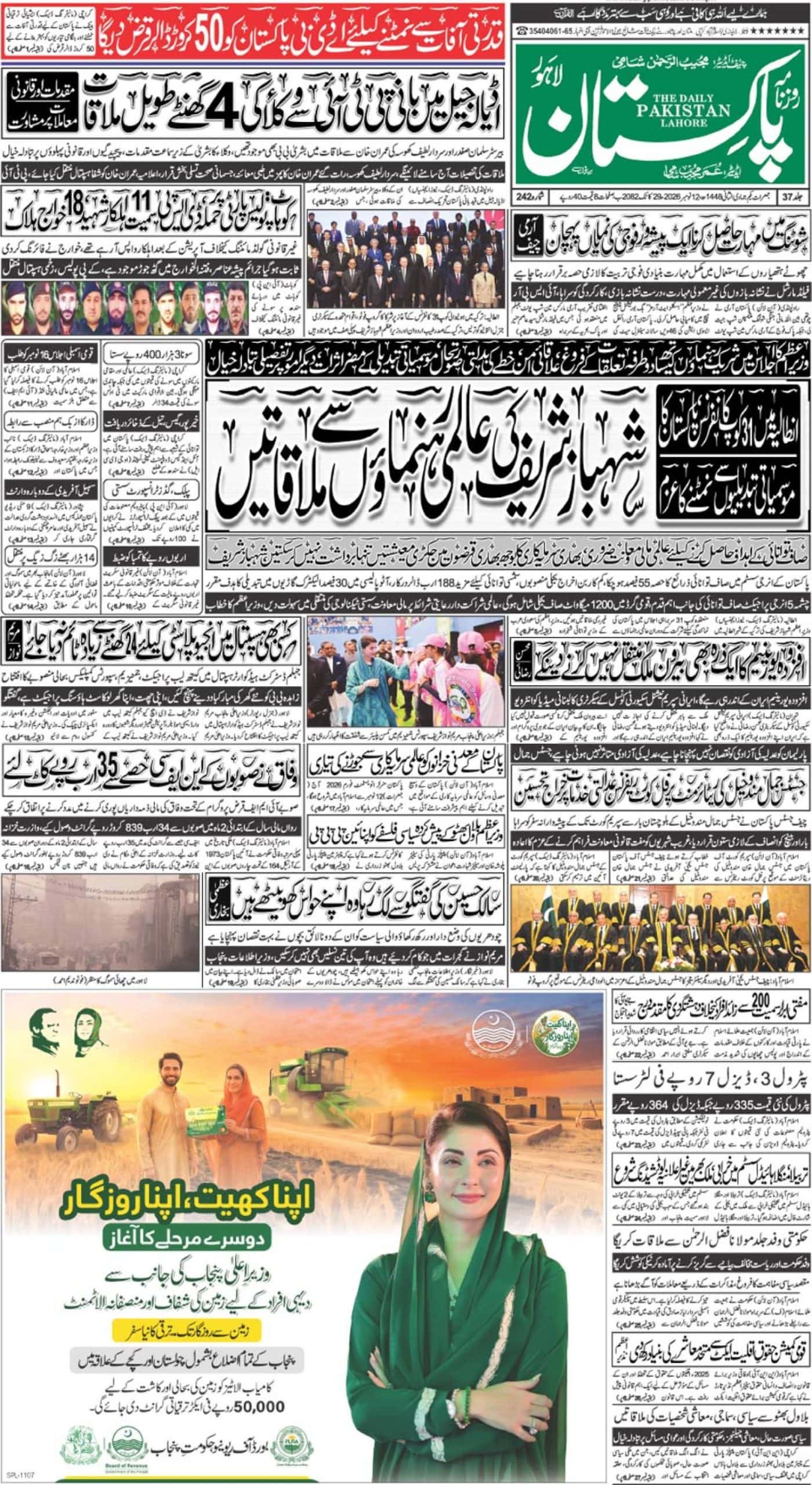
LAHORE – Punjab Chief Minister Maryam Nawaz made stunning revelation about untapped mineral wealth, claiming that massive gold deposits have been discovered in all five rivers of Punjab, particularly in Attock and Mianwali, raising hopes of a new economic opportunity for Pakistan.
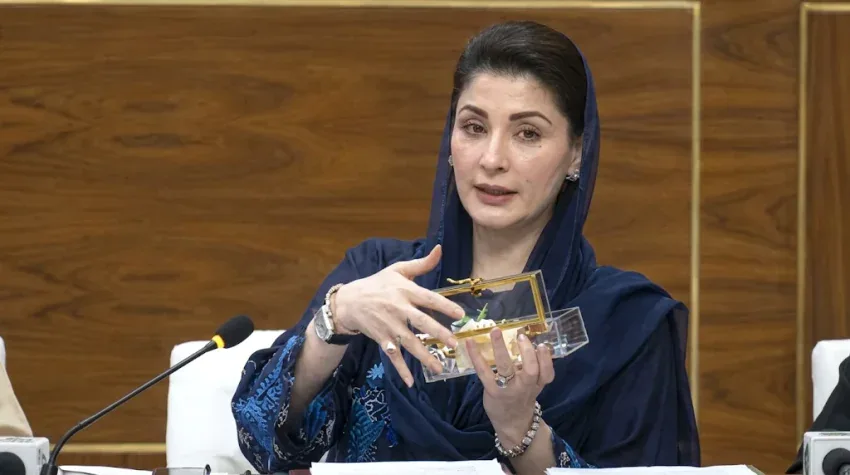
Addressing Pakistan Minerals Investment Forum (PMIF 2026) in Islamabad, CM Maryam Nawaz said pure gold is flowing through Punjab’s rivers and that geological investigations show promising deposits of the precious metal beneath riverbeds.
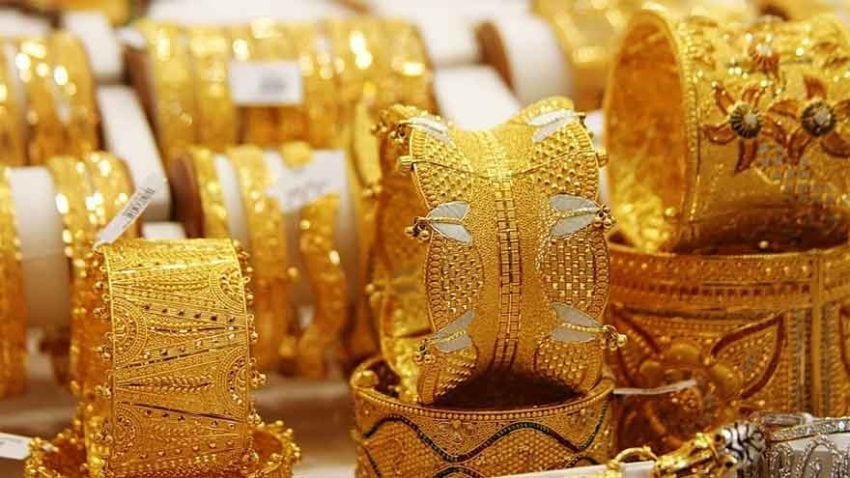
She also showed a small sample of pure gold extracted from river sand, saying the potential value of resources that have remained largely unexplored for decades. She revealed that comprehensive surveys were underway to determine the actual quantity of gold available in the province’s rivers, adding that the deposits could attract significant investment once their commercial potential is established.
CM’s announcement renewed attention on earlier geological discovery in Attock, where estimated 2.8 million tolas of gold, valued at Rs600 billion to Rs800 billion at the time, were identified along the Indus River.
Geological Survey of Pakistan launched investigations in 2021, examining approximately 32 kilometres of the river between Ghazi Barotha and Attock Khurd Bridge, particularly near the confluence of the Kabul and Indus rivers. A report submitted on January 17, 2025, estimated that the area contained around 32 to 32.6 metric tonnes of placer gold.
These deposits fall under inferred resource category, meaning further exploration is required before the commercially recoverable quantity can be confirmed. Additional assessments involving NESPAK have also been undertaken, while authorities have prepared mining blocks for potential auction following approval of reserve prices.
Mianwali also attracted attention after reports of gold-bearing sediments along the Indus River and incidents of unauthorised gold extraction. Authorities have been moving towards regulated exploration and tighter monitoring to prevent illegal mining and protect valuable mineral resources.
Maryam Nawaz’s latest announcement suggests that the province’s gold potential may extend beyond previously identified locations. The five rivers highlighted in her speech include the Indus, Jhelum, Chenab, Ravi and Sutlej. Gold found in river sand and gravel is commonly known as placer or alluvial gold. These particles originate from mineral-bearing rocks and accumulate in riverbeds as flowing water carries sediments downstream.
Although placer gold can sometimes be extracted more easily than gold embedded in hard rock, its commercial recovery still requires detailed studies, investment and environmental safeguards.
CM revealed that Punjab’s rivers could also contain other precious minerals, rare metals and rare earth elements, potentially increasing the province’s importance in the global minerals market. She highlighted Punjab’s existing resources, including coal, granite, Himalayan pink salt, rock salt and iron deposits in Chiniot.
Maryam Nawaz also announced that revenue generated by the provincial minerals department had increased from approximately Rs10 billion to Rs40 billion over the past two and a half years. She invited investors to explore opportunities in Punjab, offering business partnerships and land at affordable rates to encourage mineral development.
Pakistan Minerals Investment Forum amassed thousands of delegates from more than 50 countries, alongside provincial leaders and international mining investors. The event focused on attracting foreign investment and transforming Pakistan’s unexplored mineral resources into commercially productive projects.
Environmental concerns and illegal mining remain major challenges. Authorities previously imposed restrictions, including Section 144 in certain areas, to prevent unauthorised excavation.