RAWALPINDI – At least 43 militants in Khyber Pakhtunkhwa have been eliminated as security forces carried out series of intelligence-based operations targeting suspected hideouts of Fitna-al-Khwarij.
The military’s media wing Inter-Services Public Relations (ISPR) said the major counterterrorism offensive unfolded over past 48 hours, with troops engaging armed militants in Mir Ali and Orakzai following intelligence about their presence in the two areas.
In Mir Ali, security personnel targeted multiple militant positions, triggering intense exchanges of gunfire. The military said 35 militants were killed during the operation, dealing a major setback to armed groups operating in the region.
The offensive extended to Orakzai, where troops launched a separate operation against suspected militant hideouts. Eight more militants were killed in the ensuing clashes, pushing the overall death toll to 43. The military described the militants as members of Fitna-al-Khwarij and accused the group of receiving support from India.
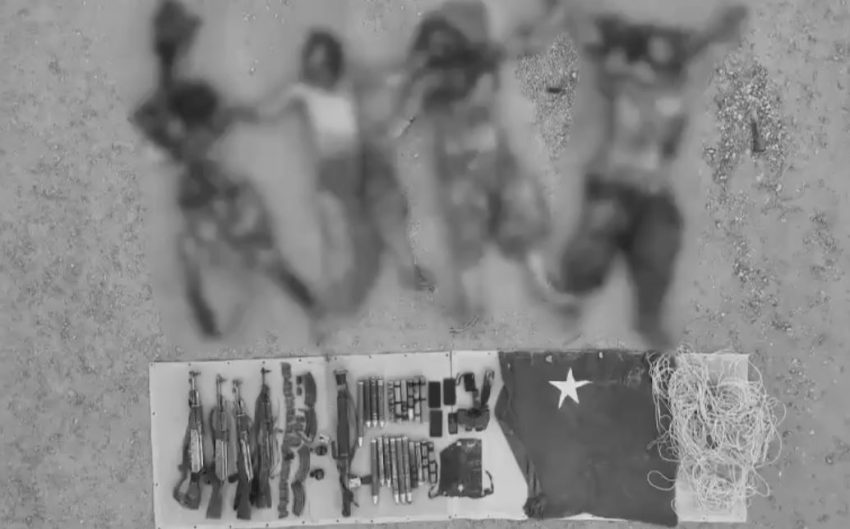
Beyond casualties, the operations also exposed what security officials described as a substantial stockpile of weapons and explosive materials.
Forces also recovered firearms, ammunition, homemade explosives and improvised explosive devices (IEDs). According to officials, the seized materials were believed to have been intended for terrorist attacks, potentially threatening both civilian populations and security personnel.
The military said clearance and sanitisation operations were continuing in the affected areas to eliminate any remaining militant presence and prevent surviving members from establishing new hideouts.
The latest offensive comes amid Pakistan’s broader push to dismantle terrorist networks under Azm-e-Istehkam, the national counterterrorism initiative approved by the Federal Apex Committee under the National Action Plan.
Despite the relentless crackdown, militant violence has remained a major security challenge. Independent monitoring by PICSS recorded 1,376 terrorist attacks nationwide from January to October 2026, a 53% increase over the corresponding period last year.