
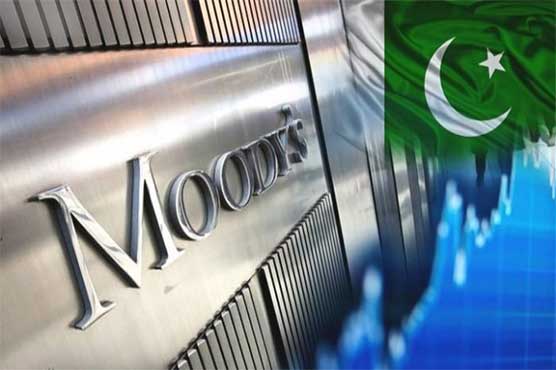
Pakistan’s economic recovery gets another major international vote of confidence as Moody’s upgraded the country’s sovereign credit rating to B3 from Caa1, while keeping the outlook stable.
The latest upgrade shows major improvement in Pakistan’s credit profile, with Moody’s highlighting better governance, stronger external finances and reduced vulnerability to external shocks. The ratings agency said Pakistan’s foreign exchange reserves have continued to build, while broader macroeconomic stabilisation has helped ease pressure on the country’s external position.
Moody’s also pointed to lower domestic financing costs, monetary easing and improved fiscal performance, saying these developments have significantly strengthened Pakistan’s ability to manage its debt. The agency expects improvement in debt affordability to continue, provided Pakistan maintains macroeconomic stability and stays on track with its reform programme.
Pakistan’s foreign exchange reserves rose to around $17 billion by the end of July 2026, compared with approximately $14 billion a year earlier, providing close to three months of import cover.
Moody’s noted that Pakistan’s external vulnerability indicator improved substantially, falling to around 145% in 2026 from 230% in 2025.
Pakistan regained gradual access to international capital markets. Pakistan issued a $750 million, three-year Eurobond in April 2026, followed by its first Panda bond worth CNY1.75 billion, or around $250 million, in May.
The ratings agency credited continued implementation of the IMF-supported reform programme with strengthening policy credibility, supporting macroeconomic stability and helping secure financing from official creditors.
The development comes just weeks after S&P Global Ratings upgraded Pakistan’s long-term sovereign rating to B from B-, also assigning a stable outlook.
Finance Minister’s Adviser Khurram Schehzad welcomed the Moody’s decision, noting that the agency had followed S&P in upgrading Pakistan’s sovereign rating.
Despite the positive development, Moody’s has warned that Pakistan still faces serious structural challenges, including a fragile external position, weak debt affordability, a narrow revenue base and limited capacity to attract investment and generate high-productivity growth. For now, however, the back-to-back upgrades from major international ratings agencies mark a notable turnaround in Pakistan’s credit story.
A stronger sovereign rating can boost investor confidence, improve Pakistan’s access to international financing and potentially help the country secure borrowing at more favourable terms.