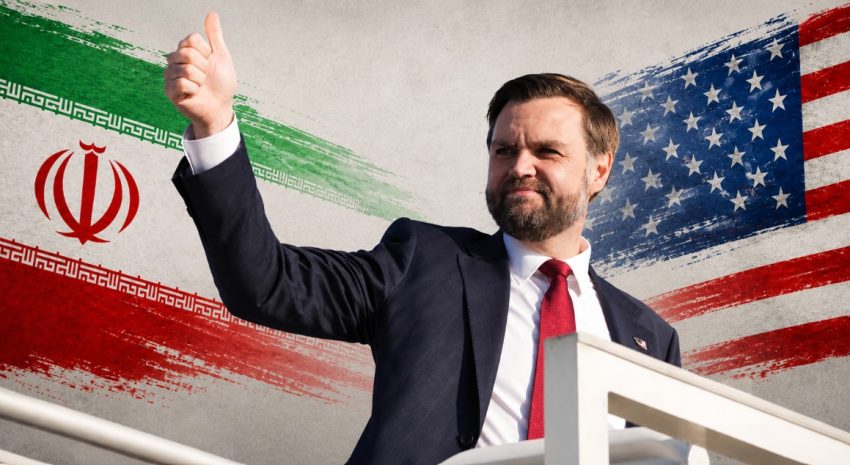
ZURICH — US Vice President J.D. Vance arrived in Switzerland to lead critical phase of diplomacy amid new dispute over status of the Strait of Hormuz as major obstacle in sensitive negotiations between United States and Iran.
VP Vance is no stranger to the process as he previously led American delegation during talks with Iranian representatives in Islamabad in April this year. Those discussions were widely viewed as a significant diplomatic opening, although a planned follow-up round never materialized.
Meanwhile, Pakistan again emerged as key player in diplomatic effort as Prime Minister Shehbaz Sharif and Chief of Army Staff Field Marshal Asim Munir were also traveling to Switzerland, showing Islamabad’s continuing role in facilitating dialogue between Washington and Tehran.
🇮🇷🇱🇧 The Iran talks are set to begin, and Lebanon has muscled its way to the very top of the agenda.
JD Vance has just arrived in Switzerland, and a diplomat briefed on the session says that an emergency discussion on Lebanon was added as the first item, ahead of everything… pic.twitter.com/a3WUWglZe9
— Mario Nawfal (@MarioNawfal) June 21, 2026
The talks come amid conflicting claims over one of the world’s most strategically important waterways. Iran’s Revolutionary Guard and military officials announced on Saturday that the Strait of Hormuz had been closed, citing Israeli military actions and what Tehran described as American violations of previous commitments. Washington swiftly rejected the claim, insisting that maritime traffic through the strait remains uninterrupted.
The disagreement threatens to complicate efforts to preserve a 60-day ceasefire agreement that reportedly brought an end to nearly four months of fighting and opened a narrow window for diplomacy. The temporary accord, said to have been facilitated through Pakistani mediation, is now at the center of negotiations taking place in Zurich.
Iranian officials have warned that vessels approaching the Strait of Hormuz could face security risks, raising fresh concerns in global energy markets. The waterway serves as one of the world’s most critical oil transit routes, making any uncertainty over its status a matter of international significance.
In response, U.S. Central Command said shipping activity continues normally. According to the command, 55 vessels carrying more than 17 million barrels of oil passed through the strait on Saturday alone, a figure Washington cites as evidence that the route remains open despite Iranian assertions.
The latest escalation unfolded just as negotiators prepared to resume discussions aimed at converting the interim ceasefire into a broader diplomatic framework. The agreement, signed earlier this week by the leaders of both countries, was intended to halt hostilities and provide 60 days for addressing unresolved issues through political channels.
However, Tehran’s renewed rhetoric has exposed the fragility of the process. Iran’s Joint Military Command announced the alleged closure of the strait, blaming Israeli attacks, U.S. “bad faith,” and what it called clear breaches of the existing understanding. A subsequent statement aired on Iranian state television warned that further measures could follow if regional tensions continued to rise.
Despite the tough public messaging, Iranian state media later confirmed that the country’s negotiating team was proceeding to Switzerland, signaling that diplomatic engagement remains underway even as tensions mount.