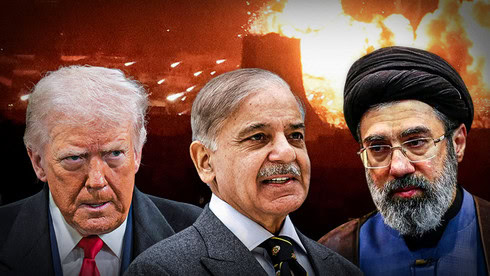
ISLAMABAD – Pakistan has emerged at center of a high-stakes diplomatic push after reportedly delivering a sweeping 15-point proposal from the United States to Iran.
The confidential document was passed through Islamabad as part of intense backchannel negotiations aimed at halting the widening conflict. While Iran has acknowledged receiving the proposal, it insists that no formal talks have begun, and a critical deadlock remains over where any negotiations would actually take place, leaving diplomacy hanging in uncertainty.
At the heart of the plan is a bold and immediate one-month ceasefire, envisioned as a temporary pause in fighting to open the door for negotiations. But the proposal goes far beyond a simple truce, laying out far-reaching demands that would fundamentally reshape Iran’s strategic, military, and political posture.
Among the most striking elements are strict nuclear requirements. The plan reportedly calls for the complete dismantling of Iran’s weapons-related nuclear infrastructure, a permanent renunciation of nuclear weapons ambitions, and a halt to all uranium enrichment. It also proposes placing nuclear materials under continuous international oversight by the IAEA, alongside intrusive inspections and the closure of major facilities such as Natanz, Isfahan, and Fordow.
The framework also targets Iran’s regional influence, demanding an end to support for allied armed groups across the Middle East and the cessation of all financial, military, and logistical backing to proxy forces. This component appears aimed at curbing regional conflicts and reducing indirect confrontations.
Strategically, the proposal highlights the importance of securing global energy routes, calling on Iran to guarantee uninterrupted passage through the Strait of Hormuz—a vital chokepoint for international oil and gas shipments. Militarily, it suggests limiting Iran’s ballistic missile capabilities and shifting its armed forces toward a predominantly defensive posture, reducing long-range offensive reach.
In return for compliance, the proposal offers substantial economic relief, including the lifting of international sanctions, reconnection to global financial systems, and permission to maintain civilian nuclear energy programs under strict supervision. It also reportedly includes the removal of long-term sanctions mechanisms designed to trigger reimposition of penalties.