
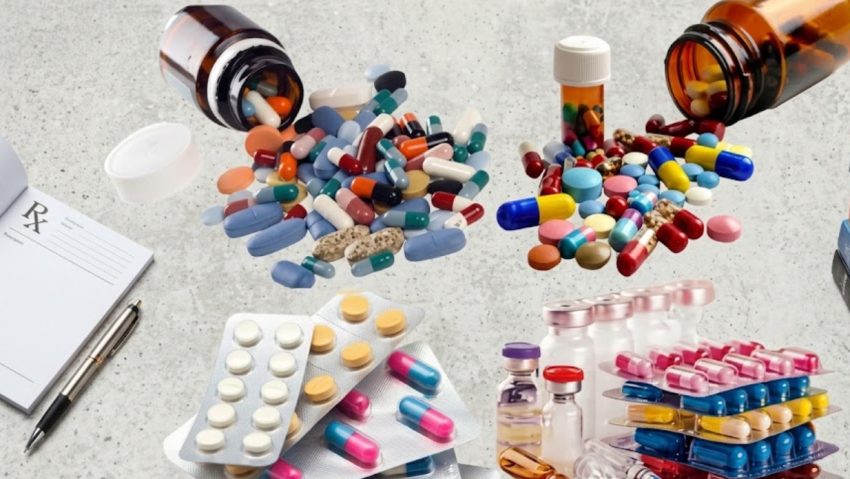
ISLAMABAD – Pakistani government doubled minimum turnover tax rate for pharmaceutical distributors, dealers, sub-dealers and wholesalers to 0.5%, piling additional financial pressure on a sector that already operates on razor-thin margins.
The new rate came into effect on July 1, 2026, for fiscal year 2026-27, compared with 0.25% in FY2025-26. The final rate, however, remains substantially below the 1.25% rate initially proposed in the government’s preliminary budget documents, following objections and negotiations by industry representatives.
Under the Finance Act 2026, the minimum tax rate under Section 113 of the Income Tax Ordinance, 2001, has been fixed at 0.5% for pharmaceutical distributors, dealers, sub-dealers and wholesalers of goods. The reduced rate is conditional on taxpayers being included in the Active Taxpayers’ List (ATL) issued under the Sales Tax Act, 1990 and the Income Tax Ordinance, 2001.
Pharma Association officials said the government had initially proposed raising the turnover tax for FY2027 from 0.25% to 1.25%, a fivefold increase. The industry subsequently approached Special Investment Facilitation Council (SIFC) and the Budget Anomaly Committee, arguing that the proposed increase could severely squeeze distributors’ already limited profit margins.
The discussions eventually produced a lower final rate of 0.5%. He said that had the proposed 1.25% rate been implemented, it could have affected the financial viability of distributors, disrupted the pharmaceutical supply chain and raised concerns over the availability of medicines in the market.
The pharmaceutical distribution business is known for high sales volumes but extremely thin margins as companies operate on profit margins of less than 1% after accounting for taxes and transportation costs.
Despite the increase in turnover tax, industry representatives said the FY2027 budget contains several measures that provide relief to the pharmaceutical sector. The government has reduced duties to zero on around 100 Active Pharmaceutical Ingredients (APIs)—the raw materials used to manufacture medicines. These include APIs used in cancer treatments and other essential medicines.
The government has also abolished the super tax for businesses earning less than Rs500 million annually. For businesses earning more than Rs500 million, the super tax has been reduced from 10% to 8%.
The industry is simultaneously facing challenges on the export front. Pharmaceutical manufacturers are reportedly dealing with restrictions on retaining a larger share of their export earnings in foreign currency, while exports have also been affected by the closure of the Pakistan-Afghanistan border.
Afghanistan has traditionally been an important export market for Pakistani pharmaceutical products. The current export environment could make it difficult for Pakistan to rapidly reach its $2 billion pharmaceutical export target.