
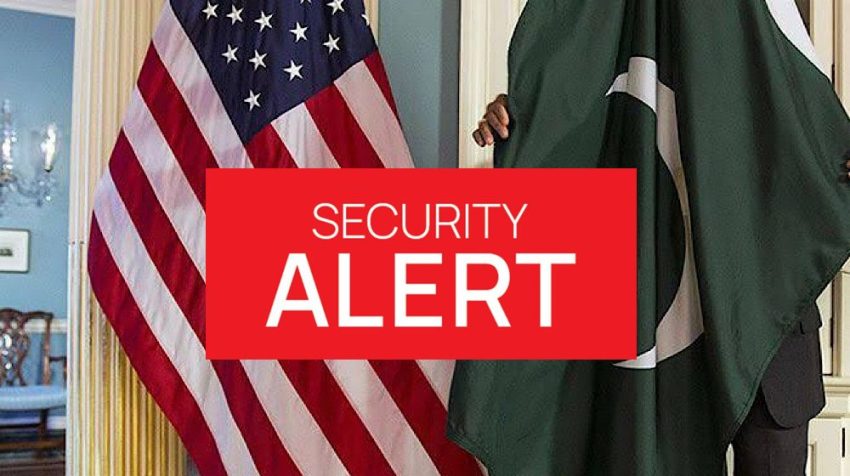
ISLAMABAD – The US government has issued fresh alert for its citizens living in Pakistan, asking them to limit their movements on Friday, March 6, due to possible protests throughout the country.
“We advise U.S. citizens in Pakistan to continue to monitor local news, observe good personal security practices, including being aware of your surroundings, avoiding large crowds, and ensuring your STEP registration is up to date,” read the advisory issued by the US embassy.
The Consular Section will not be open for routine services on March 6 but staff remain available for emergency services, it added.
It has asked the US citizens to avoid areas of large public gatherings and review their personal security plans.
“Monitor email and local media for further updates regarding appointments at all locations. Keep a low profile,” read the advisory.
Earlier this week, the US Department of State ordered its non-emergency government employees and their family members to leave consulates of Lahore and Karachi due to escalating safety concerns.
However, there was no change to the status of the US Embassy in Islamabad, which remains operational.
The State Department cited an uptick in security risks linked to the ongoing conflict between the United States and Iran. Since hostilities began on February 28, the threat of drone and missile attacks from Iran has grown significantly, while disruptions to commercial flight operations have further heightened safety concerns.
In addition to the armed conflict, it has warned of the ongoing risk of terrorism in Pakistan. Violent extremist groups have carried out numerous attacks, particularly in Balochistan, Khyber Pakhtunkhwa, and the former FATA region.
Major cities such as Karachi and Islamabad have also been targeted. These attacks can occur without warning, with transportation hubs, hotels, markets, and government buildings among the common targets.
US citizens in Pakistan have also been cautioned about the risks associated with participating in protests or demonstrations. Local law requires permits for public gatherings, and engaging in protests or posting critical content on social media regarding the Pakistani government can lead to detention by security forces. Internet and mobile phone services are often disrupted, particularly during periods of civil unrest.