
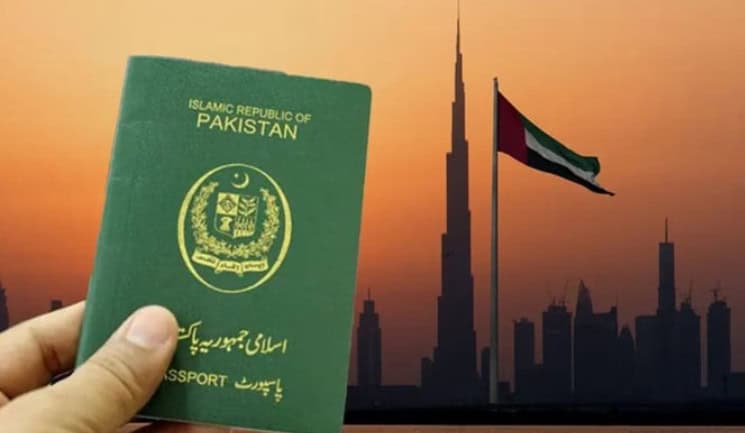
DUBAI – Relief for thousands of Pakistanis looking to work in Dubai and other UAE cities as Emirates scrapped mandatory supporting-document requirements for 13 work permit categories, cutting paperwork and speeding up the hiring process.
The Gulf country introduced sweeping reforms to simplify employment procedures and reduce paperwork for foreign workers. UAE Ministry of Human Resources and Emiratisation (MoHRE) has announced the changes under the government’s Zero Bureaucracy programme, which aims to eliminate unnecessary administrative procedures and make public services faster and more accessible.
The new measures reduced information required in certain work permit application forms by 75 to 97 percent, while significantly shortening the time needed to process and issue permits. The development is encouraging for Pakistanis seeking employment in the Emirates, where thousands of workers travel every month in search of better career opportunities.
Aroound 30,000 UAE visas are issued to Pakistani nationals each month, highlighting the importance of simpler employment procedures for workers and businesses. Under new arrangements, employers will no longer need to submit supporting documents when applying for the 13 designated categories of work permits.
The entire process can now be completed through the ministry’s unified digital platforms, reducing paperwork and making recruitment more convenient. The changes are expected to particularly benefit companies hiring employees from overseas, as well as workers seeking to change employers, take up temporary assignments or pursue freelance opportunities.
The reforms cover several categories, including two-year overseas recruitment work permit, which allows UAE companies to hire workers from other countries, and the two-year transfer permit, used when employees move between employers.
Golden Residency holders and eligible freelance workers are also covered by the revised procedures, along with foreign residents who are sponsored by family members but wish to take up employment. Other categories include part-time work permits, temporary employment permits and mission work permits issued for specific assignments or projects.
The changes also apply to private tutoring permits, student training and employment permits, and juvenile work permits for eligible individuals aged 15 to under 18. Work permits for UAE and Gulf Cooperation Council (GCC) nationals, along with national trainee permits designed to support the professional development of Emirati citizens, are also included.
These 13 categories cover wide range of employment arrangements, from conventional full-time jobs to specialised professional assignments and training opportunities.
For Pakistanis hoping to secure employment in Dubai, Abu Dhabi, Sharjah or other emirates, the reforms could help make the hiring process less complicated. Employers were required to provide supporting paperwork for various permit applications, potentially adding administrative steps to recruitment. Under the revised system, those requirements have been removed for the specified services.
This means companies recruiting workers from Pakistan may be able to complete permit applications more quickly, helping eligible employees move through the hiring process with fewer delays. This does not mean that UAE work visas have become completely document-free or that applications will automatically be approved.
UAE government has also launched another phase of its Zero Bureaucracy initiative, with plans to further simplify official procedures and expand digital services. Ministry of Human Resources and Emiratisation said its efforts are focused on helping private businesses operate more efficiently while protecting workers’ rights and improving the country’s labour market.
By cutting unnecessary paperwork and speeding up employment-related services, the UAE hopes to make recruitment easier for businesses and strengthen its appeal to international workers.