
Solution for Pakistan’s retail economy woes is to move pending grocery items to Third Schedule, say tax experts
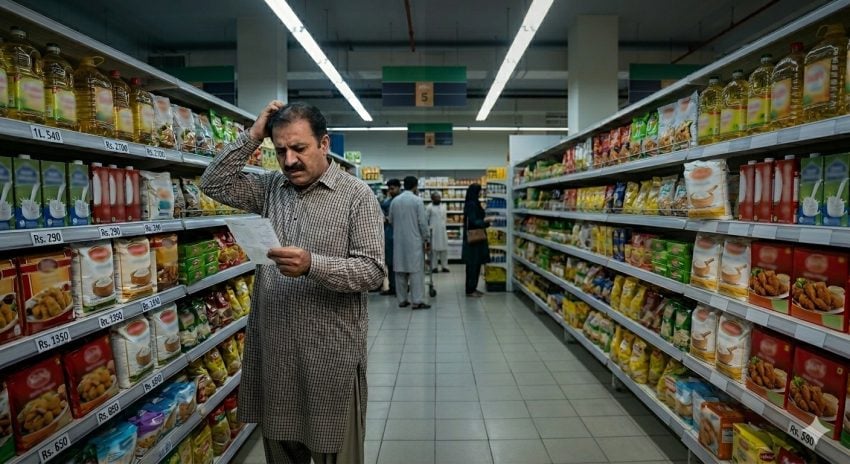
Pakistan’s undocumented retail economy is usually discussed as a tax problem. For consumers, it is more immediate: unclear prices, arbitrary markups and no easy way to know whether they are being overcharged.
A recent article published in Dawn, titled “Addressing markup consumer prices”, makes this point clearly. It argues that Pakistan’s sales tax system continues to leak because wholesalers and retailers remain largely outside effective documentation.
The article notes that additional taxes on unregistered retailers have not achieved their purpose. Instead of forcing registration, these costs are often absorbed by formal manufacturers trying to keep products on shelves. The retailer stays undocumented, the state loses visibility, and the consumer is left exposed to inconsistent pricing.
This is where the Third Schedule of the Sales Tax Act matters. It allows sales tax to be collected upfront at the manufacturer or importer level on the basis of the printed retail price. In practical terms, the price is printed on the pack, visible before purchase, and easier to monitor.
As reported in Dawn, expanding this mechanism to more everyday goods, including cooking oil, dairy products, flour, frozen foods and other packaged essentials, could improve both tax compliance and price transparency.
For households, the benefit is simple. A printed price reduces room for arbitrary markups and gives consumers a clear reference point at the shelf. This matters even more for essentials such as dairy, infant formula, cooking oil, flour, noodles and frozen foods, where frequent price changes directly affect monthly budgets.
Dawn article also notes that several categories, including bottled water, biscuits, coffee, ice cream, chocolates, juices, packaged tea, spices, soaps and shampoos, are already covered under the Third Schedule. If price printing works for these products, other high-consumption essentials should not remain outside the same discipline.
Expanding Third Schedule will not document the retail market overnight. But it can make prices clearer, reduce space for overcharging, and give consumers the protection they need at the point of purchase.
At a time when every grocery bill is under pressure, knowing the price before paying should be the minimum standard.