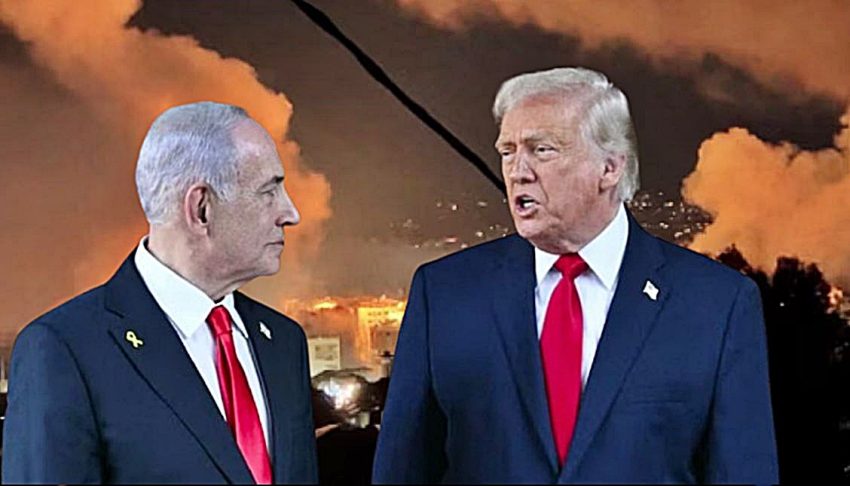
PARIS — US President Donald Trump lambasted Israel over airstrike in Beirut, calling timing “unacceptable” just hours before a major breakthrough in the emerging US-Iran agreement.
Speaking on the sidelines of G7 summit in France, Trump linked the incident to rising regional tensions but insisted the Iran deal could still move forward despite ongoing instability.
Meeting Qatar’s Emir Sheikh Tamim bin Hamad Al Thani, Trump stressed Washington’s reliance on diplomatic rather than financial engagement in Iran, insisting the US would “not invest capital” in the country and dismissing such claims as ridiculous. He also praised Qatar’s role in facilitating communications with Tehran, saying Washington was “very impressed” with Doha’s handling of sensitive regional coordination, noting its strategic proximity to Iran as a key factor in diplomatic outreach.
Qatari Emir welcomed the emerging agreement, describing it as a potentially transformative moment for the Middle East, while stressing that “a lot of work remains” before full implementation.
He said continued cooperation could unlock “many great achievements” in the region, underscoring the deal’s broader geopolitical implications beyond US–Iran relations.
According to official US statements, a memorandum of understanding with Iran has already been digitally signed, with a formal signing ceremony expected in Geneva on June 19.
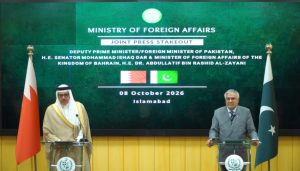
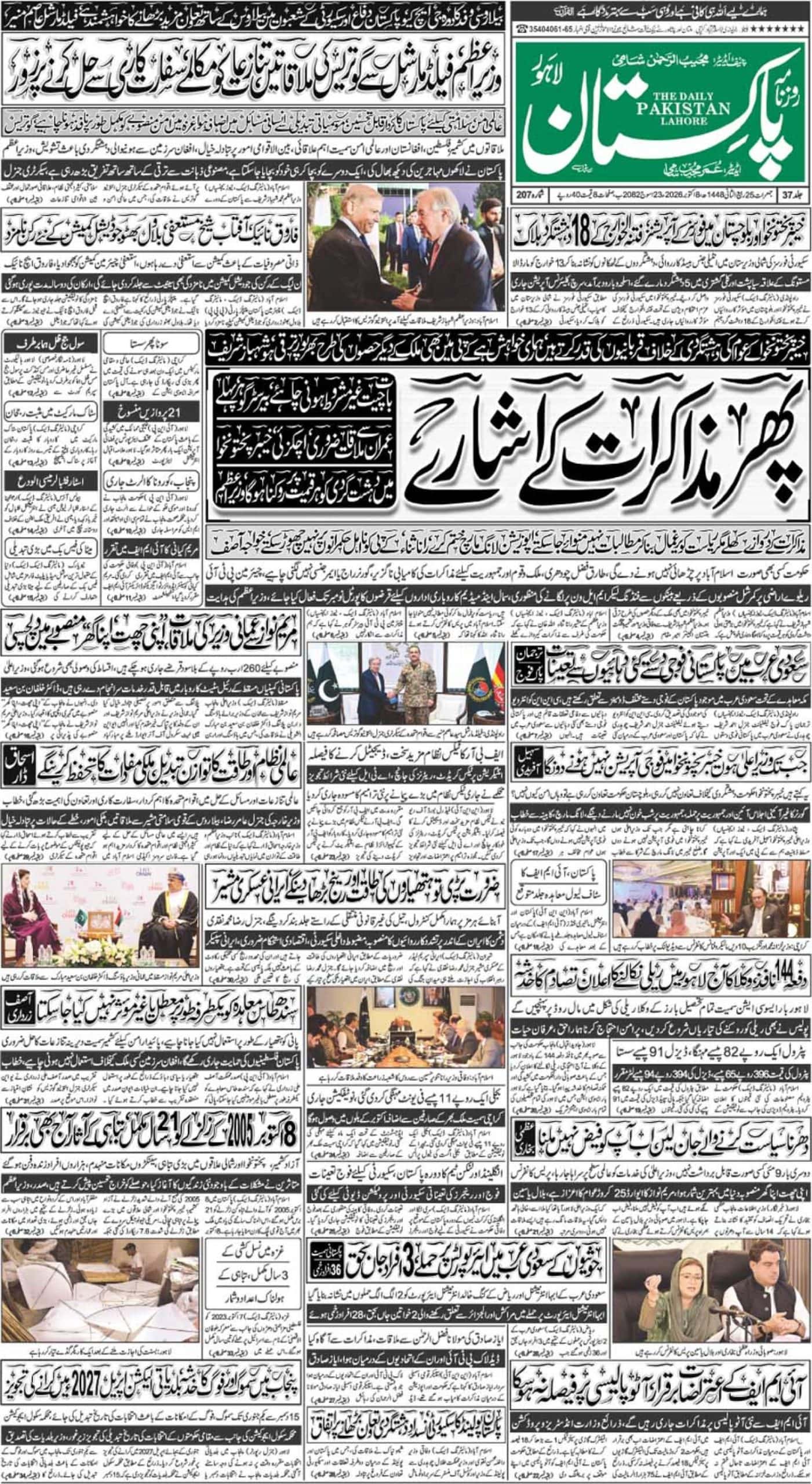
The development has also been confirmed by Iran, while Pakistan’s Prime Minister Shehbaz Sharif has publicly announced the breakthrough agreement, signaling growing international acknowledgment of the deal. However, tensions remain high despite diplomatic progress, with both Washington and Tehran accusing each other of carrying out strikes in recent days.
Trump acknowledged the escalation, stating: “I did not want to attack Iran last week, but we had no other option,” framing US actions as defensive and unavoidable.
In one of his strongest warnings, Trump said Iran must never be allowed to acquire nuclear weapons, stressing that the agreement serves as a “wall against nuclear arms.” He further claimed that Iran now has “wise leadership,” suggesting a shift following the loss of several senior figures during earlier US and Israeli strikes. Leaders he described as “not sensible,” he added, are “no longer there.”
Trump warned bluntly that if Iran pursued nuclear weapons, it would be “blown away,” reinforcing the hardline stance underpinning the agreement. He also vented anger over Israeli strike on Beirut carried out just hours before the agreement was finalized. “I told them I did not like it at all,” he said, raising concerns about timing and regional escalation during sensitive negotiations.
When asked whether Israeli military actions could jeopardize the Iran deal, Trump insisted the agreement could still hold, describing ongoing regional violence as a “small war” compared to the Iran issue.
He also referred to Hezbollah as a “recurring thorn” in the region, while cautioning against excessive force in urban warfare, saying entire residential buildings should not be destroyed when targeting individuals.
In a striking and controversial remark, Trump claimed that Israel depends heavily on US support, saying: “Without me, Israel would not exist,” and asserting that no previous US president had provided comparable backing. Recalling his “good ties” with Israeli Prime Minister Benjamin Netanyahu, he urged Israel to demonstrate “greater responsibility” in its operations in Lebanon.
He further suggested that Syria could play a more effective role in addressing Hezbollah-related tensions, adding that Israel should consider alternative regional approaches to managing the conflict.
Pakistan Brokers US-Iran Peace Deal: How Islamabad Shocked the World