
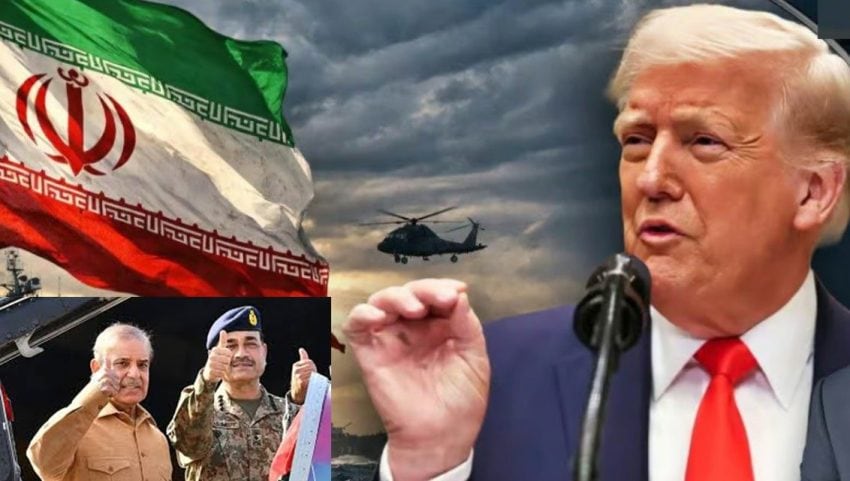
WASHINGTON/TEHRAN – After weeks of quiet backchannel diplomacy led by Pakistan’s Field Marshal and top brass, US and Iran are reportedly near potential peace agreement. A draft framework is now awaiting final approval from both sides, raising cautious hopes that a breakthrough could be announced soon.
If confirmed, it would mark a major step toward easing long-running tensions and stabilizing the region.
A report by Washington Times said US and Iran are approaching what could become a landmark breakthrough agreement after weeks of intense, behind-the-scenes diplomacy involving multiple regional mediators, with Pakistan emerging as a key facilitator in the negotiations.
The negotiations unfolded through sustained backchannel engagement involving senior officials and regional intermediaries working to close long-standing gaps. Pakistan’s Field Marshal Asim Munir is said to have played a central mediating role, including direct discussions in Iran aimed at narrowing differences at a critical stage of the process. A Qatari delegation has also reportedly arrived in Tehran to participate in what is being described as the final round of diplomatic efforts.
If concluded, the agreement would mark a significant turning point—transforming a fragile six-week ceasefire into a more structured and potentially durable peace arrangement after months of conflict that have shaken regional stability and disrupted global energy markets.
However, despite the reported momentum, major obstacles remain firmly in place. At the heart of the dispute are Iran’s nuclear program, the scope and scale of sanctions relief, and the future of maritime security in Hormuz.
The emerging draft is understood to draw from a 14-point proposal originally put forward by Iran, which has served as the working foundation for negotiations. While it has helped narrow some differences, key issues remain unresolved and are still being worked through via mediator channels.
US Secretary of State Marco Rubio also acknowledged only limited progress, reiterating Washington’s core demands that Iran must not acquire a nuclear weapon, must significantly curb uranium enrichment activities, and must guarantee uninterrupted commercial shipping through the Strait of Hormuz.
Iran, meanwhile, continues to reject calls to end enrichment, insisting its nuclear program is strictly peaceful. Tehran is also pushing for sweeping sanctions relief, including access to frozen assets and a structured mechanism for releasing blocked funds, alongside proposed adjustments to maritime transit arrangements.
POTUS also hinted at likelihood of deal, while suggesting that a successful agreement could help ease tensions and reduce global energy prices. At the same time, he has warned that military options remain on the table should negotiations collapse.
On the other hand, Iranian Foreign Ministry officials say discussions are still ongoing, acknowledging that differences persist even as they point to a gradual convergence of positions in recent rounds of talks.
Pak Army Chief’s Iran Visit yields ‘Encouraging Momentum’ in US-Iran Peace Mediation: ISPR