
KARACHI – Industrial leaders raised alarms over the combined impact of rising electricity tariffs and gas supply interruptions, warning that manufacturing output could suffer further setbacks.
According to statements from the industrial community, the abrupt suspension of gas deliveries for two consecutive days was linked to the non-arrival of RLNG shipments from Qatar, as reported by the gas utility.
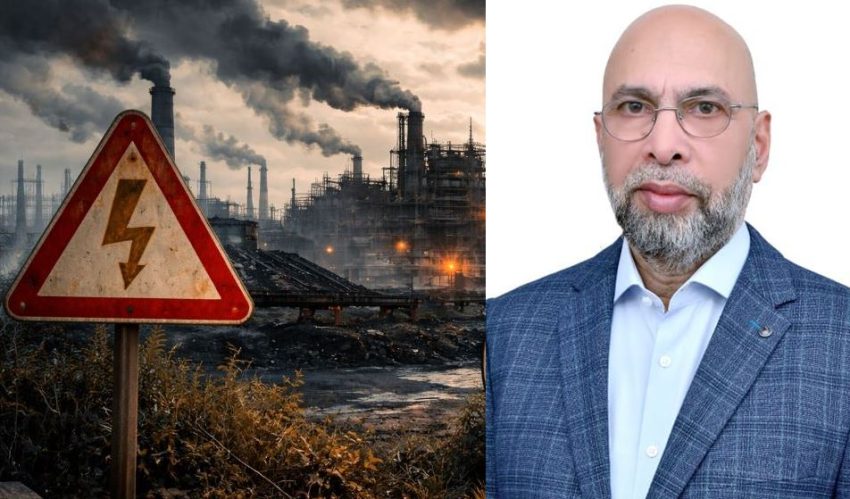
President of the S.I.T.E. Association of Industry Abdul Rehman Fudda, expressed concern that the energy crunch, coupled with repeated tariff hikes, added significant pressure on production costs. He noted that the electricity regulator had already increased rates twice in the previous year and approved a further hike of Rs 1.6274 per unit to recover additional charges under the fuel adjustment mechanism.
The industrial sector argues that these increases effectively neutralize the government’s earlier decision to reduce electricity prices by Rs 4.4 per unit, a move intended to stimulate productivity and exports. Instead, businesses claim that higher operating costs are undermining competitiveness and discouraging investment.
Gas supply disruptions have compounded the problem. The absence of imported LNG cargos forced cuts in supply through the network of the state-owned gas distributor, while restrictions on domestic gas offtake prioritized pre-committed LNG deliveries. Industry representatives have urged immediate action to resume utilization of local gas resources to prevent prolonged production slowdowns.
Energy security concerns remain central to the debate. Leaders from the industrial community argue that without stable and competitively priced utilities, manufacturing output could continue to decline, potentially worsening economic conditions. They have called on authorities to address supply bottlenecks and reassess tariff structures to support industrial growth.
Officials from the regulatory authority and energy companies have yet to issue detailed responses to the latest criticisms. However, stakeholders stress that urgent policy measures are required to balance revenue needs with the broader goal of sustaining industrial productivity and economic expansion in Pakistan.
Key entities involved in the discussion include the industrial association, S.I.T.E. Association of Industry, the energy regulator NEPRA, electricity distributor K-Electric, and the gas supplier Sui Southern Gas Company. Observers say resolving the energy challenges will be critical to sustaining industrial momentum and economic stability in Karachi and beyond.