ISLAMABAD – A court in Balochistan’s capital Quetta sentenced Pakistani-American girl’s father and uncle to life imprisonment over killing of teenager allegedly targeted for her social media activity.
The 14-year-old Hira Anwar, a US-born Pakistani-American, was shot dead outside her home in Quetta in January this year. After months of trial, Additional District and Sessions Judge Shahid Javed found her father, Anwar-ul-Haq Rajput, and maternal uncle, Muhammad Tayyab Bhatti, guilty of the crime, sentencing both men to life in prison and imposing fines of Rs2Lac each.
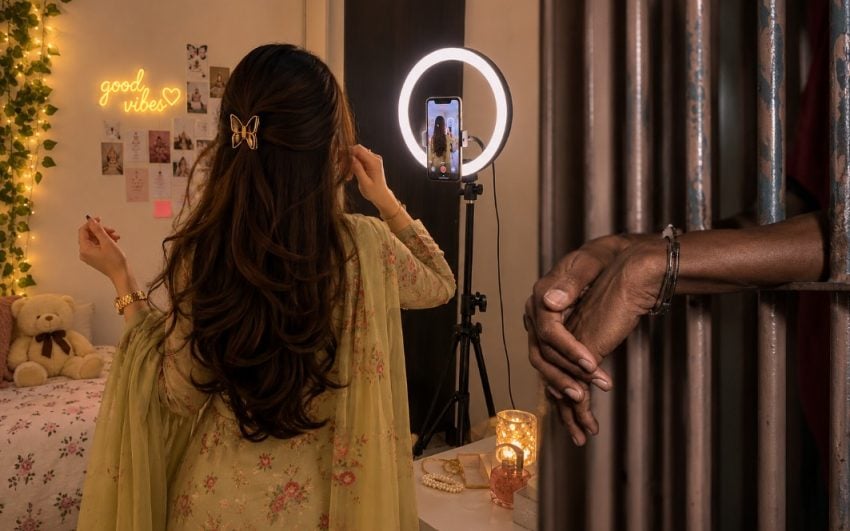
The verdict brings dramatic conclusion to a case that investigators say exposed a carefully planned plot allegedly driven by family objections to the teenager’s online presence, lifestyle, and use of social media platforms, including TikTok.
Hira’s father initially misled police that unidentified gunmen had attacked his daughter outside their residence on Balochi Street in Quetta. He had briefly gone back inside the house to return a mobile phone to a relative when gunfire erupted. He claimed he rushed outside to find his daughter critically wounded. Hira was taken to hospital but died from her injuries. However, investigators soon began questioning the father’s version of events.
Evidence collected from the crime scene said witness testimonies, and subsequent inquiries led police to focus on members of Hira’s own family. The case was eventually transferred to the Serious Crime Investigation Wing (SCIW), which launched a detailed investigation that culminated in the arrests of Hira’s father and uncle.
According to investigators, Anwar-ul-Haq had spent nearly three decades living in the United States, where he worked as a taxi driver. Hira was born and raised in America. Police allege that in January 2025, Hira traveled from the United States to Lahore with her father before being taken to Quetta days later.
Investigators concluded that the teenager had been brought to Pakistan as part of a premeditated plan that ultimately ended with her murder. Authorities claimed the father strongly objected to his daughter’s social media activities and personal lifestyle choices. Prosecutors argued that these objections became a central motive in the killing.
The case quickly drew attention far beyond Pakistan’s borders because both Hira and her father were U.S. citizens.
During the investigation, officials from the U.S. Embassy visited Quetta and met with the accused father under consular access arrangements. The case was closely followed by international media and human rights observers, who viewed it as a test of Pakistan’s commitment to prosecuting violence against young women.
Investigators said Hira’s mother, who resides in US, did not travel to Pakistan or record a statement despite repeated requests from authorities. SCIW investigation was led by Assistant Sub-Inspector Bismillah Khan, while the prosecution was handled by Assistant District Public Prosecutor Qaiser Khan.
With Saturday’s verdict, the court accepted the prosecution’s case that Hira’s killing was not a random act of violence but the result of a deliberate plan allegedly orchestrated by those closest to her.
The killing of teenager becomes symbol of clash between traditional family control and the digital lives of young people as image of US-born teenager allegedly lured across continents and killed after disputes over her social media presence has left a lasting impact on public opinion in both Pakistan and the United States.
Pakistani man kills sister-in-law, two nieces for sharing videos on social media