
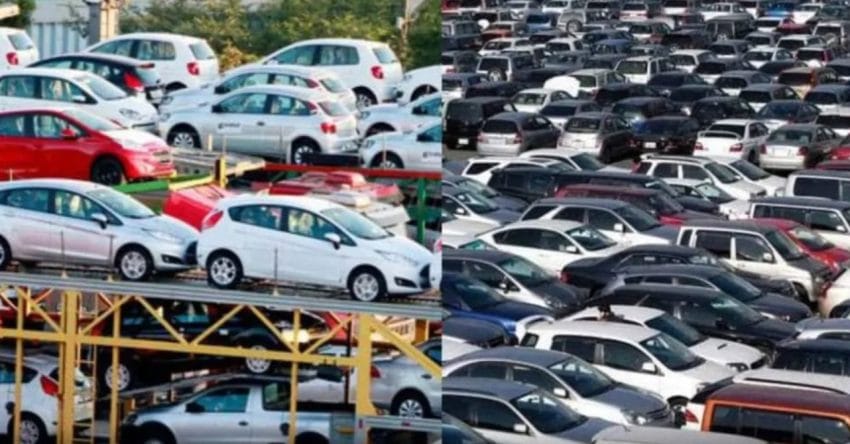
ISLAMABAD – For years, Pakistani car buyers faced a dilemma with limited expensive options, soaring prices, and long waiting periods, which created practices like ON (Own Money) on new car models. The federal government is however, considering allowing the import of used vehicles up to five years old, which could bring newer imported cars within reach of consumers and inject fresh competition into the country’s tightly protected auto market.
Pakistani car buyers could soon gain access to wider range of affordable vehicle options as the federal government considers allowing the import of used vehicles up to five years old, a significant departure from the country’s existing automobile import framework.
The proposal emerged during discussions at the National Assembly Standing Committee on Finance and Revenue, where Commerce Secretary Jawad Paul briefed lawmakers on planned reforms under the National Tariff Policy (NTP) while reviewing the Finance Bill 2026.
If approved, the move would ease current restrictions on used vehicle imports and potentially open the market to thousands of newer imported vehicles. The proposal is being viewed as a major step toward increasing competition in Pakistan’s heavily protected auto sector, where consumers have long complained about high prices, limited choices, and lengthy delivery times.
Government officials told committee that the objective is to improve market efficiency, enhance consumer choice, and create a more competitive environment by allowing greater access to imported vehicles. The plan is expected to benefit buyers seeking newer imported cars that may offer better features, safety equipment, and value for money compared to some locally available options.
The proposal comes alongside a broader tariff reform agenda aimed at reducing import costs. Under the government’s roadmap, regulatory duty on imported used vehicles is expected to decline from 40 percent to 30 percent, potentially making imported cars more affordable for Pakistani consumers.
Committee Chairman Syed Naveed Qamar noted that Pakistan’s automobile industry has enjoyed extensive protection for years and suggested that increased competition from imported vehicles could help bring prices down and improve overall market dynamics.
As part of the reforms, authorities also plan to enforce the same 62 safety standards currently applicable to imported vehicles on locally assembled cars, ensuring equal regulatory requirements across the industry.
The government is pursuing wider tariff reforms under the National Tariff Policy. These include the gradual elimination of Additional Customs Duty (ACD), reductions in regulatory duties, and a long-term goal of capping customs duties at 15 percent. Officials say duties on vehicles and auto parts could decline substantially over the coming years as the reforms take effect.
The proposed changes face several hurdles, including concerns raised by the International Monetary Fund (IMF) and ongoing discussions within the government regarding the pace of implementation. The reforms are also expected to reduce government revenues by billions of rupees.
With current auto policy due to expire on June 30, policymakers are under pressure to finalize the new framework. If the proposal is approved, it could mark one of the most significant openings of Pakistan’s automobile market in recent years, potentially reshaping competition and giving consumers access to a much broader selection of imported vehicles.
Pakistan announces gradual reduction of duties on imported cars