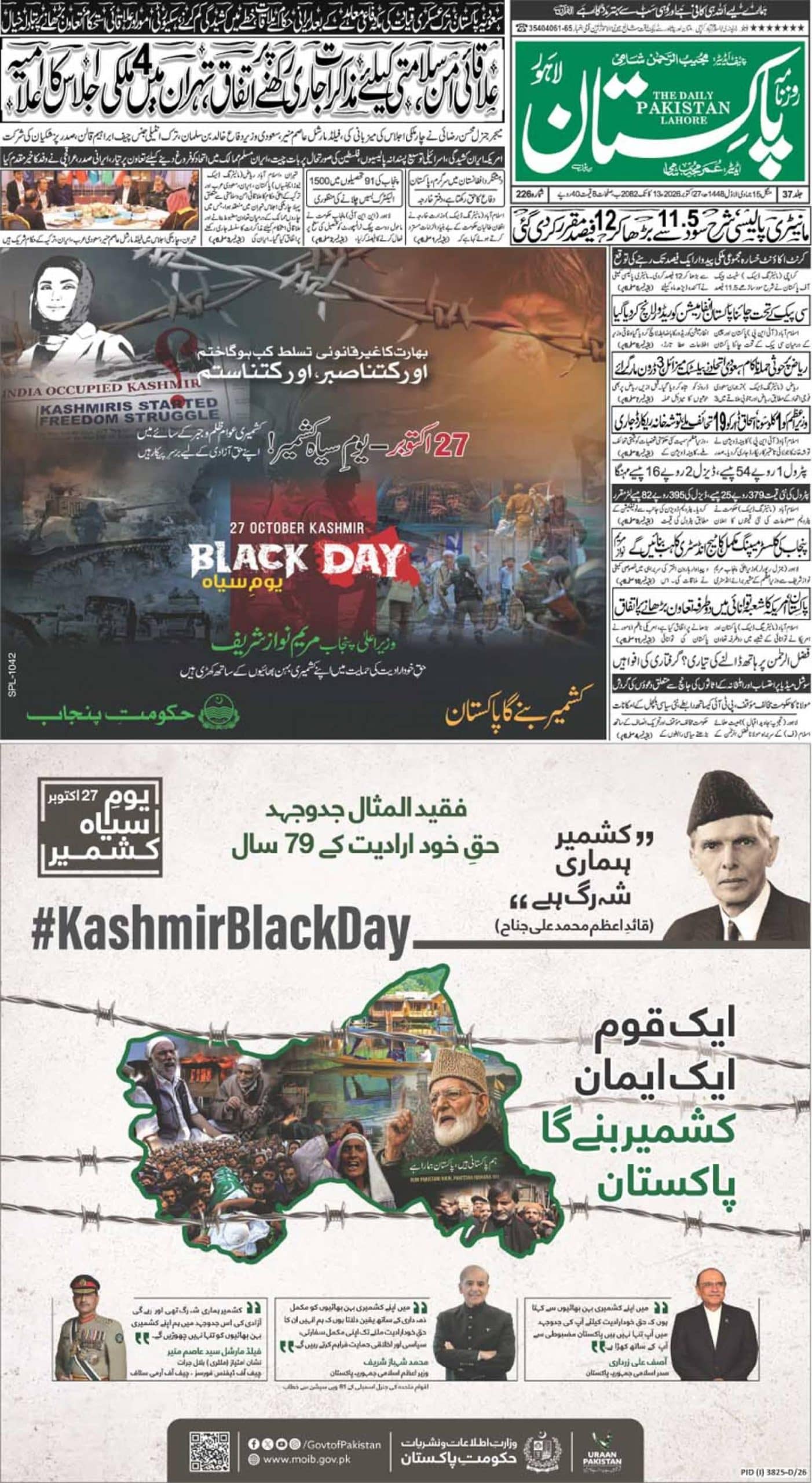
ISLAMABAD/WASHINGTON – Global trade tension is building as United States moves to tighten its stance on forced labour in international supply chains. In a fresh proposal, Washington suggested new tariffs on around 60 economies, including Pakistan and India, accusing them of failing to effectively prevent the import of goods linked to forced labour.
The plan, which is still under review, shows broader push by US to reshape trade rules through tougher enforcement, even as affected countries push back against the allegations.
The proposed tariffs range from 10-12.5% and will be subject to a public comment period before any final decision is taken. The process will also include hearings following the submission deadline.
The move comes as part of broader trade enforcement actions by Trump led administration, after investigations into key trading partners including China, EU, and Japan. Those probes examined whether governments have effectively enforced bans on imports produced with forced labour and whether such imports affect U.S. trade.
USTR said over 50 countries economies were found to have failed to impose and effectively enforce import prohibitions related to forced labour. This group includes China, Vietnam, Taiwan, the United Kingdom, and India. Pakistan, Canada, Ecuador, EU, Indonesia, Mexico were identified as not having effectively enforced such prohibitions.
US Trade Representative Jamieson Greer called findings as unacceptable, arguing that weak enforcement allows forced-labour-linked goods to enter global supply chains and creates unfair competition for American workers. He said trading partners must take stronger action to ensure that trade does not support forced labour.
The plan includes exemptions for certain goods, including beef, coffee, and selected fruits and nuts. Canada and Mexico would also be exempt for goods compliant with the North American free trade agreement, along with certain textiles and apparel.
Washington sought response until July 6, after which hearings will be held before any major move.
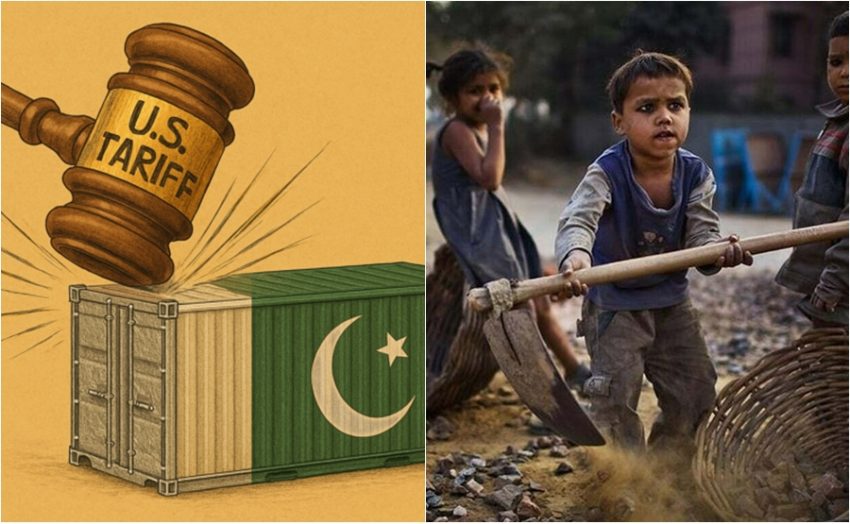
For the unversed, forced labour remains a widespread problem in Pakistan, affecting millions of people, particularly in brick kiln, agriculture, carpet weaving, and mining sectors. It often takes the form of bonded labour, where entire families are trapped in generational cycles of debt, working under coercion with little or no pay to repay loans taken from employers or landlords.
The issue is most prevalent in Sindh and Punjab provinces. Estimates suggest that several million workers, including a large number of children, are caught in these exploitative conditions, facing hazardous environments, restricted movement, and denial of basic rights. Despite laws banning bonded labour, weak enforcement, poverty, and lack of alternative livelihoods allow the practice to continue on a large scale.
Pakistan proposes zero-tariff trade agreement to boost US economic ties