
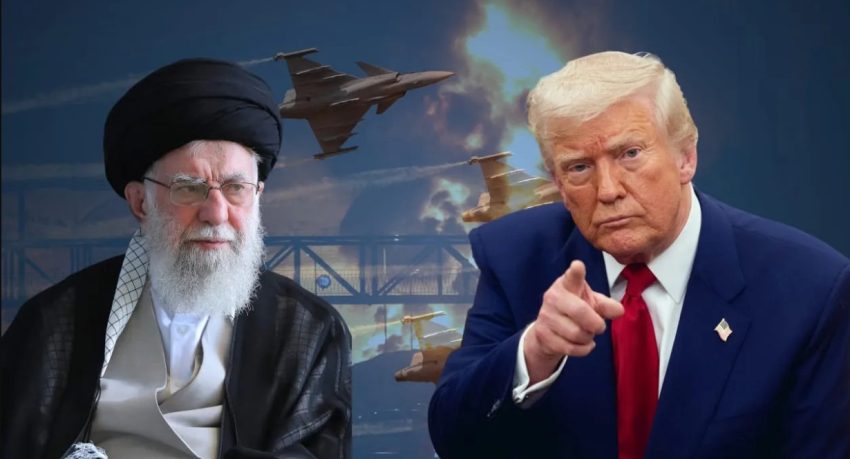
WASHINGTON/TEHRAN — US President Donald Trump delivered a stark warning, saying Iran is dangerously close to surrendering its weapons, and no senior official remains in Tehran capable of announcing disarmament.
Trump stressed the urgency of the situation, highlighting that the Strait of Hormuz is stabilizing and that commercial vessels should resume operations immediately. He added that decisive action is needed now to prevent a full-scale war with Iran within the next five years—though he stopped short of giving a clear timeline or strategy for ending the current conflict.
G7 leaders reportedly pressed Trump to end the war immediately and ensure the Strait of Hormuz is fully secured, underscoring global concerns about escalating violence.
US Defense Secretary Pat Higgsith warned in a media briefing that Iran’s air defenses have been neutralized and that the Iranian regime shows no mercy. He declared, “Today will see the toughest attacks yet—we will not stop.” Higgsith added that Iranian leaders have gone underground, and the world should not worry about operations in the Strait of Hormuz.
Meanwhile, the Chairman of the U.S. Joint Chiefs of Staff revealed that today marks the 14th day of military strikes on Iran, and it will be the heaviest day of operations so far. In less than two weeks, the U.S. has effectively neutralized the Iranian navy, though Iran still retains the capacity to threaten friendly forces and commercial shipping.
Tehran responded with defiance. Iranian Foreign Ministry spokesperson Esmaeil Baqaei said Iran refuses to accept negotiations or ceasefire discussions while military operations and repeated crimes continue. He warned that the Iranian armed forces are determined to teach the U.S. and Israel an unforgettable lesson.
The escalating confrontation marks one of the tensest periods in recent U.S.-Iran relations, with global attention now fixed on the Strait of Hormuz as both sides escalate their military posturing.