ISLAMABAD – The world is facing growing tensions over nuclear weapons, missiles, space and military AI, and at this critical moment, Pakistan stepped into diplomatic spotlight, taking charge of UN’s key disarmament forum, putting South Asian nation at the centre of some of the world’s most sensitive security debates.
Foreign Office Spokesperson and Additional Foreign Secretary for Arms Control and International Security Tahir Andrabi will serve as president of the Conference. He has arrived in Geneva and will chair important meetings during Pakistan’s tenure. For Islamabad, the presidency is more than a ceremonial responsibility. Pakistan will have to keep negotiations moving at a forum where major powers often have sharply different positions on some of the world’s most sensitive security issues.
Pakistan’s immediate task will be to ensure that discussions remain organised, balanced and focused on building consensus. Andrabi will also oversee the preparation of the Conference’s annual report, covering its discussions, negotiations and progress during the year.
The report will then provide the basis for negotiations on a draft resolution to be presented to the UN General Assembly, where it is expected to be adopted in November. Pakistan will also facilitate consultations on the Conference’s 2027 agenda.
One of the biggest challenges awaiting Pakistan this week is the debate over the Prevention of an Arms Race in Outer Space (PAROS). As countries increasingly develop technologies capable of operating in space, fears of an arms race beyond Earth have grown. The United States and European countries have differences with China and Russia over how the issue should be addressed.
Bridging these positions will put Pakistan’s diplomatic skills to the test. Conference will also take up several long-standing arms-control issues, including nuclear disarmament, prevention of nuclear war, negative security assurances and the Fissile Material Cut-off Treaty (FMCT).
At the same time, newer challenges are entering the discussion. The military use of artificial intelligence, emerging technologies and their potential impact on international and regional security will also be examined.
The presidency comes as governments are increasingly concerned about the risks surrounding missile launches and strategic miscalculation. Recently, 41 countries called for at least 24 hours’ advance notification of long-range ballistic missile launches and space-launch activities.
The proposal reflects growing concern that a lack of communication surrounding major missile or space launches could create confusion, trigger unnecessary alarm and increase the risk of escalation between rival powers.
Pakistan is assuming the presidency at a particularly difficult moment for global security. Russia-Ukraine war, growing US-China strategic competition, modernisation of nuclear arsenals, increasing military activity in outer space and the rapid development of AI-based military capabilities have all added new layers to an already complicated security environment.
Against this backdrop, Pakistan’s role will be closely watched as it attempts to keep countries with competing interests around the same negotiating table.
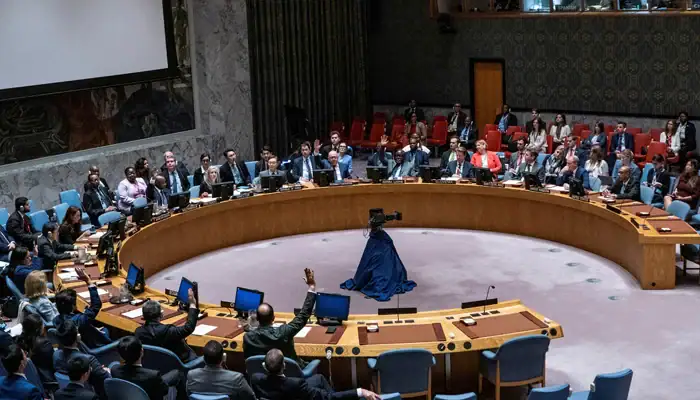
UN Conference on Disarmament is the world’s only permanent multilateral negotiating forum dedicated to disarmament and arms-control agreements and has 65 member states.
For Pakistan, leading the forum provides an opportunity to strengthen its diplomatic profile and contribute to discussions on some of the most consequential security questions facing the world.