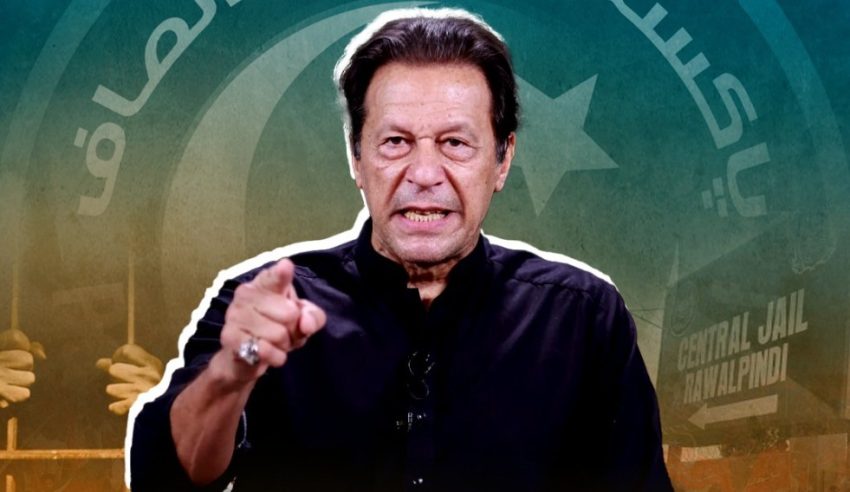
Speculation intensified over alleged political understanding between beleaguered Pakistan Tehreek-e-Insaf supremo minister Imran Khan and establishment after a court order allowing his transfer from jail to a private hospital for medical treatment.
The issue was discussed on mainstream media and on social media whether the development could be linked to possible political deal. The programme, however, presented deal as an assessment and allegation, rather than a confirmed agreement.
Supreme Court of Pakistan has been hearing petition concerning Khan’s health. A three-member bench reportedly ordered that he be shifted to Al-Shifa International Hospital and that a medical board be constituted, with his sister Dr Usma Khan and former health minister Dr Faisal Sultan involved in the medical process.
There are three aspects of reported court arrangement, first Khan’s transfer to hospital on medical grounds, the involvement of doctors close to his family, and restrictions on political gatherings or media activity outside the hospital.
Deal allegations
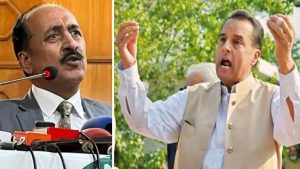
Negotiations between PTI chief camp and powerful state actors had taken place made headliens, and meetings involving Khan’s sister Aleema Khan and government officials also comes under light.
One of key claims discussed was that a possible understanding could involve political cooperation over the upcoming constitutional amendment. It raised the possibility that Pakistan Tehreek-e-Insaf (PTI) could support the proposed 28th Constitutional Amendment in exchange for relief for Khan.
However, no confirmed evidence of such an agreement was presented in the programme, and the discussion repeatedly framed the alleged deal as an assessment rather than an established fact.
Khan’s hospitalisation could potentially be followed by further medical treatment outside Pakistan if doctors determine that it is necessary. The journalists compared the situation with previous episodes involving former leaders, including Nawaz Sharif and Pervez Musharraf. Even if Khan is initially released from jail on medical grounds, the political consequences of an alleged deal could become significant if his supporters conclude that he compromised his position in exchange for relief.
The discussion suggested that an agreement with the establishment could create a difficult political situation for Khan and PTI. For years, Khan has presented himself as a leader unwilling to compromise under pressure. According to the programme’s analysis, a negotiated release could therefore affect his image among supporters and politically neutral voters.
The impact could become even greater if PTI were subsequently seen supporting a constitutional amendment as part of an understanding for Khan’s relief.
The key question remains whether Khan’s hospital transfer is solely a medical and judicial matter or part of a broader political process. For now, the alleged deal remains unconfirmed. The programme’s claims are based on journalistic assessments and purported sources, rather than a publicly disclosed agreement between Khan, PTI and the establishment.
Any future decision regarding Khan’s release, possible restrictions on his political activity, overseas travel, or PTI’s position on constitutional legislation could provide further clues about whether political negotiations actually took place.