
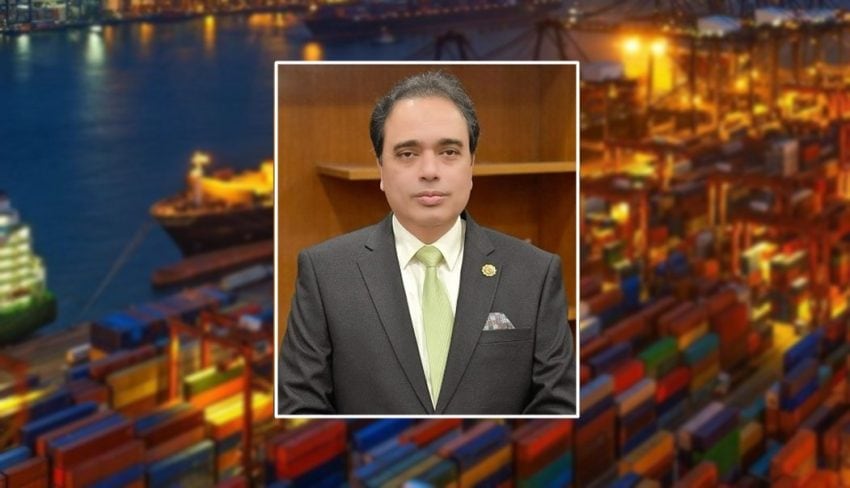
KARACHI – Saquib Fayyaz Magoon, Senior Vice President of the Federation of Pakistan Chambers of Commerce & Industry (FPCCI) and Chairman of BMP-Progressive (BMPP), raised objections to proposed amendments to the Trade Organization Rules (TORs) 2013.
The proposed bill, currently tabled before the National Assembly of Pakistan Standing Committee on Commerce, seeks to introduce structural changes to the existing regulatory framework governing trade bodies. However, Magoon cautioned that abrupt alterations without broader consultation could trigger the closure of numerous representative trade organizations across the country.
Magoon said the proposed amendments have created uncertainty within the business community at a time when Pakistan’s economy is already grappling with domestic pressures and external economic challenges.
“Chambers of Commerce and Industry are the principal platforms through which the business community collectively raises its concerns and contributes to policy advocacy,” Magoon emphasized, warning that weakening these institutions could silence grassroots representation at a critical juncture.
He expressed particular concern over reports suggesting that trade bodies may be restricted to municipal city limits. According to him, such a move would effectively exclude industrial estates, SME clusters located in tehsils, and rural export-oriented enterprises from proper representation.
He warned that limiting jurisdiction in this manner would dismantle district chambers that have been built over decades of institutional development. “These chambers are the backbone of grassroots economic activity,” he said, adding that their dissolution would adversely impact local economies, especially women entrepreneurs and small and medium-sized enterprises (SMEs).
Business leaders fear that the proposed changes could centralize representation, weaken regional advocacy, and create a disconnect between policymakers and local industry stakeholders.
Magoon urged lawmakers to revisit the proposed amendments and engage in meaningful consultation with stakeholders before proceeding further. He stressed that reforms should strengthen, not destabilize, trade bodies that play a crucial role in economic coordination, export promotion, and policy dialogue.
As deliberations continue in the parliamentary committee, the business community awaits clarity, warning that any hasty decision could have long-term repercussions for Pakistan’s trade and industrial landscape.