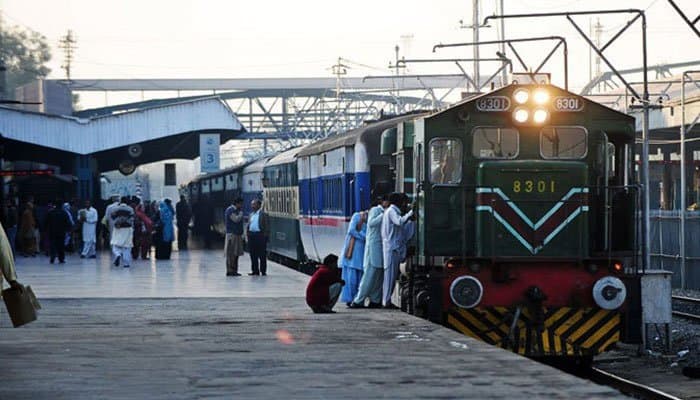
ISLAMABAD – Travelling on train becomes more expensive as Railways announced a major increase in passenger and cargo fares after the government’s record-breaking rise in petroleum prices amid the first wave of economic consequences hitting the country.
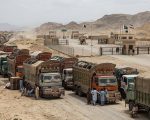
The economy class ticket fares have been increased by 5 percent, while AC class tickets will cost 10 percent more. In an even sharper move, cargo train fares have been raised by 20 percent, a step expected to affect the cost of transporting goods across the South Asian nation.
The new fare structure will come into force on Monday, March 9, although railway officials clarified that passengers who have already booked tickets in advance will not be charged the higher rates.
Despite fare hike, Pakistan Railways spokesperson said department will still absorb part of rising operational expenses for passenger train services, as the cost of running trains continues to surge.
The decision comes after the government announced largest fuel price increase in Pakistan’s history, raising both petrol and high-speed diesel by Rs55 per litre. Officials say the dramatic jump reflects the first direct economic fallout from the escalating US-Israel conflict involving Iran.
Under revised fuel pricing, the ex-depot rate of high-speed diesel has surged from Rs280.86 to Rs335.86 per litre, marking an increase of about 20 percent. Meanwhile, petrol prices have climbed from Rs266.17 to Rs321.17 per litre, representing a 17 percent rise.
Pakistan’s heavy reliance on oil shipments passing through the strategic Strait of Hormuz has made the country particularly vulnerable to disruptions. Authorities say disturbances in fuel supplies through this crucial maritime route forced the government to take the drastic step of increasing petroleum prices, a move now rippling through key sectors like transportation.
Sui Gas Load Shedding starts across Punjab as Iran–US War disrupts RLNG supply