
ISLAMABAD – Rising fuel prices created economic challenges, with jet fuel costs jumping by 82% and petrol prices increasing as well. This surge is likely to push air travel more expensive and raise transportation costs, which could further drive up the prices of everyday goods.
Citizens and businesses are now facing financial pressure as they adjust to the new economic reality.
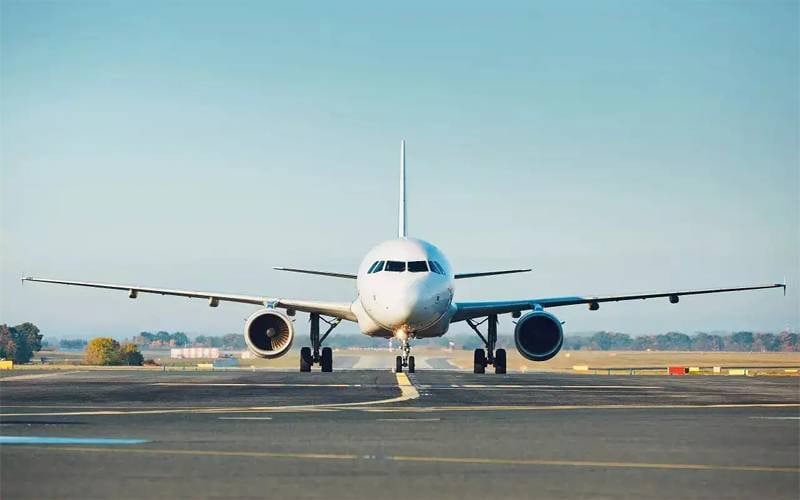
Pakistani government jacked up jet fuel prices by whopping Rs154 per litre, sending the cost soaring from Rs188.93 to an Rs342.37, a record 82% jump. Analysts warn that this will inevitably push airline ticket prices up by as much as Rs5,000, making air travel far more expensive for ordinary passengers.
On Petrol, the federal government slapped additional Rs55 per litre on petrol prices, citing global oil market tensions. The new price now stands at Rs321.17 per litre, up from Rs266.17, marking a sharp 17% hike. Diesel has also climbed to Rs335.86 per litre, further increasing transportation costs.
With fuel prices in Pakistan now among the highest in South Asia, fears of an inflation tsunami are growing. Economists warn that expensive fuel will ripple through the economy, driving up transport costs and making everyday essentials more costly, leaving families struggling to cope, particularly during sensitive economic periods.
The comparison is stark as petrol in neighbouring India remains at just Rs94.77 per litre, while in Sri Lanka it costs around Rs293. Even in Bangladesh, fuel is significantly cheaper at 116 taka per litre. Critics argue that the price gap highlights the severity of the burden on Pakistani consumers.
Railways announces 5–10% Fare Increase for Passenger Trains after Petrol hike