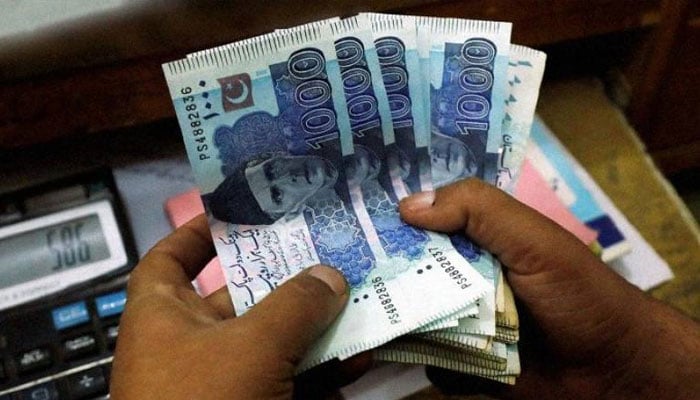
ISLAMABAD – Pakistan government is considering a policy shift in the upcoming Budget 2026-27, with plans to keep salaries and pensions at same level, while using the resulting fiscal space to provide tax relief to the salaried class.
Reports in local media said the proposal under discussion suggests that instead of increasing government salaries and pensions this year, the state may maintain existing levels to ease pressure on the national budget. Officials believe the savings from not implementing pay and pension hikes could be redirected toward reducing income tax rates for salaried individuals, who have been identified as the country’s largest direct taxpayers.
The salaried class contributed more than Rs425 billion in income tax during the first nine months of the current fiscal year, underscoring its growing role in national revenue collection.Officials are reviewing options to ease tax burden on employees, especially when compared to other sectors such as retail, wholesale, exports, and real estate, which continue to contribute relatively less in direct taxes.
Revenue Target
At the heart of the budget framework is an ambitious Federal Board of Revenue (FBR) tax collection target of Rs 15.3 to 15.564 trillion, marking nearly 19% growth over revised estimates of the current fiscal year. Economists say this target reflects both IMF conditions and Pakistan’s urgent need to stabilize public finances.
The government is reportedly aiming for a fiscal deficit of around 3.5% of GDP, closely aligned with IMF benchmarks. Officials are also targeting a primary surplus, signaling a continued push for fiscal consolidation despite economic headwinds.
Growth Optimism
Despite austerity pressures, GDP growth target is expected to be set near 5.1%, reflecting cautious optimism about industrial recovery, exports, and structural reforms.
Subsidy Cuts
On the expenditure side, the budget is expected to remain strict, and Power subsidies may be capped. Frequent electricity and gas tariff adjustments likely to continue along with tight control over non-development spending.
In contrast to austerity measures, Benazir Income Support Programme (BISP) may see increased stipends, signaling continued focus on social safety nets amid rising inflation concerns.
Overall, the upcoming budget is being shaped under close IMF supervision, with Pakistan balancing between economic stabilization, debt servicing pressures, inflation control, and growth support.