ISLAMABAD – Academic degrees alone will not be enough to prepare Pakistan’s workforce for an artificial intelligence-driven economy, speakers said at a seminar held in the capital on Wednesday, calling for urgent reforms in education and skills development.
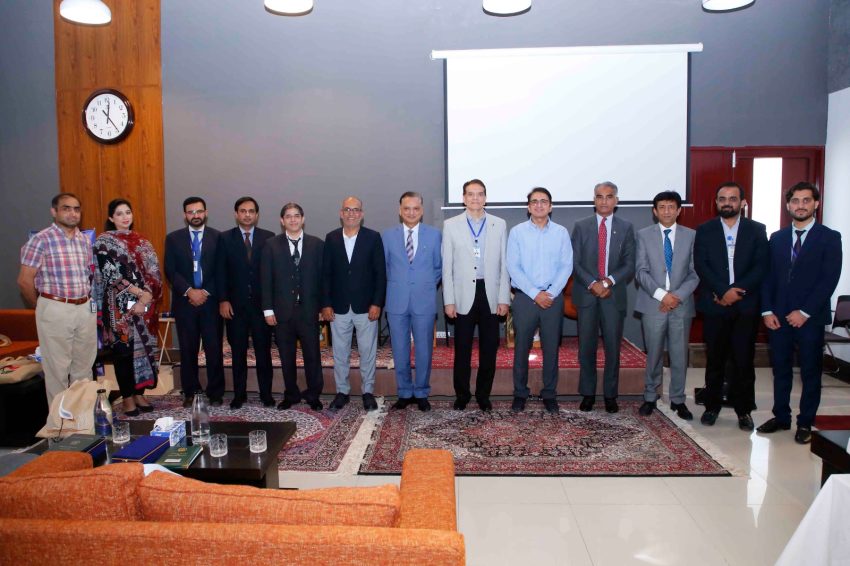
The seminar, titled “Beyond Degrees: The Future of Education, AI, and Skills That Matter,” was organised by the Institute of Rural Management (IRM) and attended by policymakers, academics, technology experts and development professionals.
Participants stressed that future employability would increasingly depend on practical skills, digital literacy, adaptability, critical thinking and continuous learning, competencies they said were often missing from conventional degree programmes.
They also underlined the need for reforms in education, governance and workforce development to prepare young people for rapid technological changes.
Prof Dr Raheel Qamar, rector of COMSATS University Islamabad, said artificial intelligence was no longer a theoretical concept and was already being used to address challenges in education, healthcare, research and industry.
He said universities would need to revise curricula, teaching methods and assessment systems to equip students for a changing technological landscape.
Director General of the National Centre for Rural Development Israr Mohammed Khan highlighted the role of AI in agriculture, saying it could improve farming practices, supply chains, productivity and market access.
He said AI-based solutions could help transform rural economies by enabling farmers to make informed decisions and better market their produce.
Development and public policy specialist Ghulam Shabbir said Pakistan’s preparedness for AI would depend not only on technology, but also on strong institutions, effective governance and improved public-sector capacity.
He stressed the importance of digital inclusion and evidence-based policymaking to ensure underserved communities also benefit from the country’s digital transformation.
Usman Zahid, chief AI officer at White Rice Impact, said many organisations struggled with AI adoption because workers often lacked the skills needed to effectively use emerging technologies.
He said critical thinking, creativity and workforce readiness would be essential for successful AI integration across sectors.
The seminar concluded with calls for stronger collaboration among the government, academia, industry and development organisations to build an inclusive and future-ready workforce in Pakistan.