

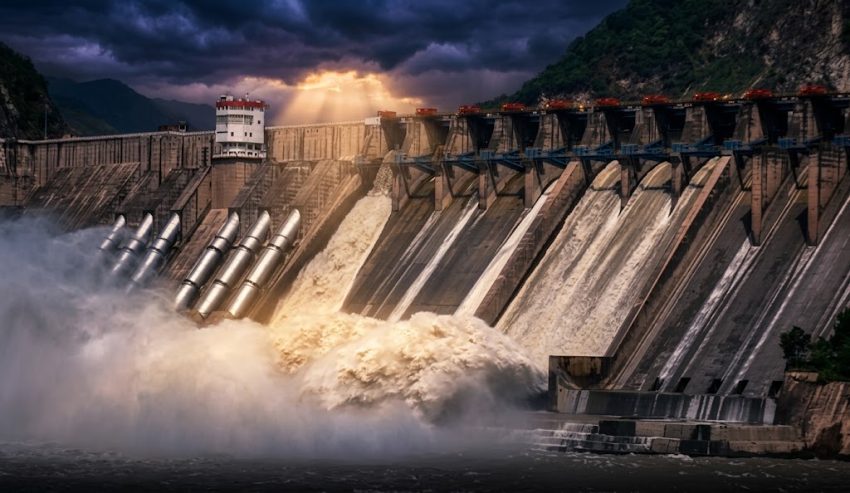
ISLAMABAD – Heavy rainfall in Indian occupied Jammu and Kashmir triggered increased water inflows into Chenab River, prompting India to open multiple gates of Salal Dam and raising fresh concerns over possible rise in water levels downstream in Pakistan.
Continuous monsoon rains in Reasi region and upper catchment areas of the Chenab pushed additional water into the Salal Dam reservoir. Authorities responded by opening several gates to discharge the excess water while keeping a close watch on the reservoir’s water level and river flow.
#Reasi, J&K: Salal Dam opens multiple gates following continuous rainfall in the upper catchment areas. The gates have been opened to regulate increased inflow into the reservoir, resulting in a controlled release of water downstream. Authorities continue to monitor reservoir… pic.twitter.com/enPUVjw8RU
— Jammu Tribune (@JammuTribune) August 30, 2026
The development puts Pakistani authorities on alert, with the situation along the Chenab being closely monitored, particularly at key points across Punjab.
Salal Dam is located on the Chenab River, meaning water released from the reservoir eventually flows into Pakistan. Any substantial increase in discharge could therefore translate into higher water levels and stronger flows in Pakistani territory. However, officials have not indicated that major flooding is imminent. The potential impact will depend on several factors, including the volume of water released from the dam, continued rainfall in the upper catchment, and the existing flow of the Chenab.
The latest development comes at a particularly sensitive time for water relations between the two nuclear-armed neighbours. Tensions over shared water resources have intensified after India announced its position of keeping the Indus Waters Treaty “in abeyance.”
Chenab is among Pakistan’s key rivers, making any sudden increase in its flow a matter of serious concern, particularly during periods of heavy monsoon rainfall. For now, the water release from Salal Dam is being attributed primarily to the need to manage increased inflows caused by heavy rains rather than an indication of deliberate flooding.