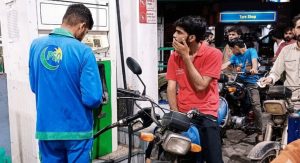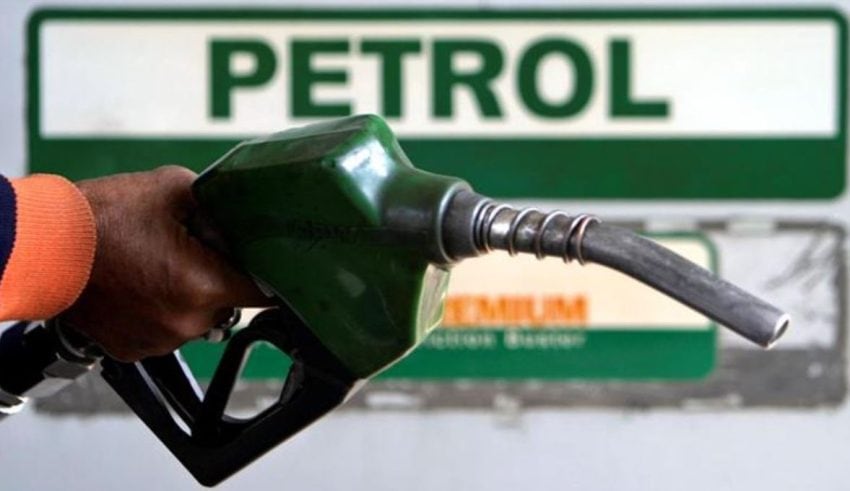
ISLAMABAD – Pakistani government jacked up petrol and high-speed diesel (HSD) prices by upto Rs8 per litre, for first half of March 2026, in light of tweaks in international market.
Petroleum Division has announced steep hike as petrol now cost Rs266.17, while high-speed diesel (HSD) jumped by Rs5.16 per litre to reach Rs280.86. The price revision comes on the recommendations of the Oil and Gas Regulatory Authority and will take effect from March 1.
New Petrol Price in Pakistan
| Products | Old Prices | New Prices | Increase |
| Diesel | 275.70 | 280.86 | +5.16 |
| Petrol | 258.17 | 266.17 | +8.00 |
The increase is expected to hit ordinary commuters hard, as petrol is primarily used in private vehicles, rickshaws and motorcycles, transport modes relied upon by middle- and lower-income households. Higher fuel costs often translate into increased commuting expenses and greater financial pressure on families.
Meanwhile, the diesel price hike is likely to ripple through the economy. Diesel powers heavy transport vehicles, agricultural machinery and public transport, meaning its rise could contribute to inflation. Increased transport costs often result in higher prices for essential goods, including vegetables and everyday commodities, further squeezing household budgets.
With fuel prices continuing to fluctuate, consumers and businesses alike are bracing for potential economic impacts in the coming weeks.
Global Oil Price
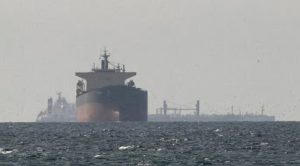
A joint strike by the United States and Israel on oil giant Iran raised fears of major disruptions in global energy supplies. Iran, a key oil producer within OPEC, could retaliate by targeting the Strait of Hormuz, through which a third of the world’s oil trade flows.
Any blockage or instability in the strait could send oil prices soaring, potentially above $100 per barrel, and trigger worldwide economic downturn.
Traders expect price volatility as markets factor in geopolitical risks, while governments may need to release strategic reserves to stabilize supply. The situation underscores how tensions in the Middle East continue to pose significant risks to global energy security and economic stability.