
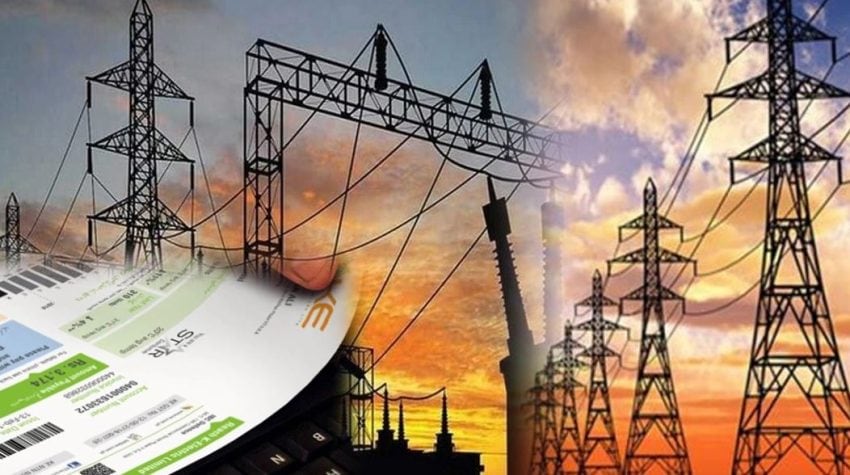
ISLAMABAD – Millions of electricity consumers across Pakistan risk losing subsidised power tariffs by consuming just one unit above the 200-unit monthly limit, with those crossing the threshold required to spend 6 months outside the protected consumer category before they can regain the protected status.
The policy, enforced by the federal government in July last year, was introduced to ensure that electricity subsidies reach low-income and middle-income households with limited power consumption. Under the current framework, households consuming up to 200 units of electricity qualify as Protected Consumers, allowing them to pay significantly lower electricity rates than regular domestic users.
Consumer rights experts say the system has become one of the harshest billing mechanisms for ordinary households, as even 201 units of consumption in a single month automatically removes a consumer from the protected category.
Protected vs Non-Protected Electricity Tariff
| Category | Monthly Consumption | Approx. Tariff |
| Protected | 1–100 Units | Around Rs10/unit |
| Protected | 101–200 Units | Around Rs13–13.5/unit |
| Non-Protected | Above 200 Units | Around Rs39/unit |
- Over 500 units:
- 501–600: Rs 40.22–41.62/unit
- 601–700: Rs 41.85–42.76/unit
- 700+: Rs 47.20–47.69/unit
As per existing tariff structure, consumers using 1 to 100 units pay around Rs10 per unit, while those consuming 101 to 200 units are charged approximately Rs13 to Rs13.5 per unit, excluding applicable taxes and duties. Once consumption exceeds 200 units, the consumer is shifted to the Non-Protected Category, where the effective tariff rises sharply to around Rs39 per unit, resulting in a substantial increase in monthly electricity bills.
Protected Consumer Category was originally designed to shield low-income households—typically those using only basic appliances such as lights and fans—from rising electricity prices through government subsidies. However, officials later observed that many consumers had started installing multiple electricity connections at the same property to keep each meter below the 200-unit threshold and qualify for lower tariffs.
To curb misuse, authorities introduced additional verification measures, including QR code verification, CNIC verification and other identity checks, while also tightening scrutiny over multiple electricity meters.
Energy experts believe the current mechanism unfairly penalises genuine consumers who exceed the limit by a marginal amount. They argue that households using 201 or 202 units are treated the same as consumers intentionally manipulating the system to obtain subsidised electricity.
According to experts, responsibility should also lie with electricity distribution companies if additional meters were issued in violation of regulations rather than placing the entire burden on consumers.
Lately, the number of protected consumers expanded considerably since the scheme was introduced, making it increasingly difficult for the government to sustain the subsidy. While some stakeholders have proposed increasing the protected consumption limit from 200 units to 300 units, others warn that doing so could push subsidy bill and encourage further misuse.
Pakistan paid over Rs13 Trillion to IPPs, including Plants that generated No Electricity