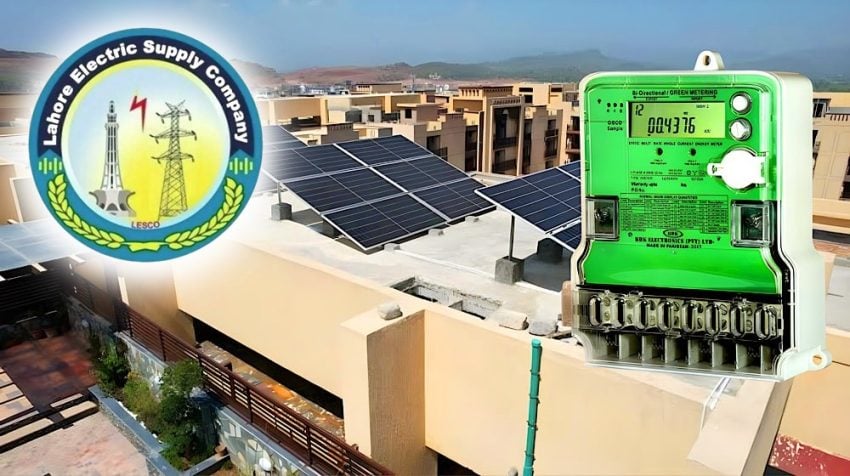
LAHORE – Pakistani solar energy consumers are in dire straits as Lahore Electric Supply Company (LESCO) faces alleged discrepancies in electricity billing, with lamenting double billing and the application of differing solar compensation policies within consecutive billing cycles.
LESCO issued electricity bills for April under the net metering policy, where a unit-for-unit adjustment mechanism was applied. Under this system, surplus electricity exported to the grid was compensated at approximately Rs 25 per unit, providing relief through direct offsetting of imported and exported units.
However, in May, consumers report that their bills were calculated under a revised net billing framework, following the implementation of the national tariff structure. Under this arrangement, the earlier unit-for-unit adjustment was reportedly discontinued, and exported electricity was instead valued at around Rs 8 per unit.
Consumers allege that this transition resulted in significant differences in billing amounts between April and May, despite some of them holding existing agreements under the net metering regime. Several affected users have since approached various LESCO offices to lodge complaints regarding the changes and seek clarification on their bills.
The situation raised concerns among solar users about the consistency of policy implementation, particularly where contractual net metering arrangements appear to have been replaced by net billing calculations.
It is further reported that Federal Minister for Energy Awais Leghari directed that the net metering policy remain in effect until February 8, while the National Electric Power Regulatory Authority (NEPRA) had also approved relevant amendments upon the request of the Ministry of Energy.
Despite these reported policy directions and regulatory approvals, consumers maintain that billing practices on the ground do not reflect uniform application, contributing to uncertainty and concern within the growing solar energy segment.
LESCO is yet to clarify the specific complaints raised by consumers at the time of reporting.
Budget 2026-27: Solar panel prices jump by up to Rs9,000 in Pakistan ahead of expected taxes