
Written by: Dr Novera Khalid
During my morning round in the hospital, a voice suddenly struck my ears.
“Mama, one day I will have my long hair. Will you bring fancy hairpins for me.’”
Beside me, little Saira was lying on the bed. She was pale, with an IV line in her left hand and a drip hanging beside her on the stand.
“ok… then u will visit me with long hair and we will have picture together…Things will get better soon,” I said.
I looked at her, and she smiled…
Saira was only six years old—a child battling blood cancer.
Every day, thousands of children are treated for malignancies at the Oncology Department of Children’s Hospital Lahore. They fight a battle that is far from easy. Away from school, classmates, playgrounds, and cricket grounds, they become familiar with hospital corridors, the smell of iodine, repeated needle pricks, medicines, chemotherapy and vomiting.
A cancer patient may lose their hair, but they should never lose hope.
In our society, cancer is often considered a disease of old age. But very little is said about cancer in children. Childhood cancer awareness can save thousands of lives…
When a child develops warning signs, they should never be ignored. Persistent fever, pallor, repeated bleeding or bruising, bone pain that wakes a child at night, unexplained weight loss, recurrent headaches with vomiting, white spots in the eyes, or any swelling or lump in the body should be assessed by a doctor. Seek medical advice. Get the necessary investigations done. If cancer is diagnosed, treatment should begin without unnecessary delay and continue according to medical advice.
Cancer is not a death sentence.
It is a disease that requires not only medicines, but also courage, strength and hope. Early diagnosis, appropriate treatment and regular follow-up can make a tremendous difference and, in many childhood cancers, can lead to cure.
I still remember a mother sitting beside me in the hospital outpatient department. Her child had completed treatment, and I handed her the End of Treatment (EOT) paper. His disease was in remission, his treatment had been completed, and he now needed only regular follow-up visits.
She looked at me and asked, “Doctor, has the treatment really finished? Is my son disease-free now?”
“Yes,” I replied.
She suddenly turned towards the child’s father. Her eyes filled with tears, and the two of them hugged their little son, Arif—a five-year-old boy who had battled a kidney tumour, Wilms tumour, and emerged victorious.
Moments like these are among the greatest rewards of treating children with cancer.
And Arif is not alone. There are countless stories of little warriors who have fought cancer with extraordinary courage. Their journeys remind us that cancer does not always mean that the world has come to an end.
It means that we must take necessary action in time.
Early diagnosis and timely treatment—before the disease spreads to other organs—is important. Treatment should continue without interruption whenever possible, and regular follow-up is essential to monitor any relapse and identify any late complications.
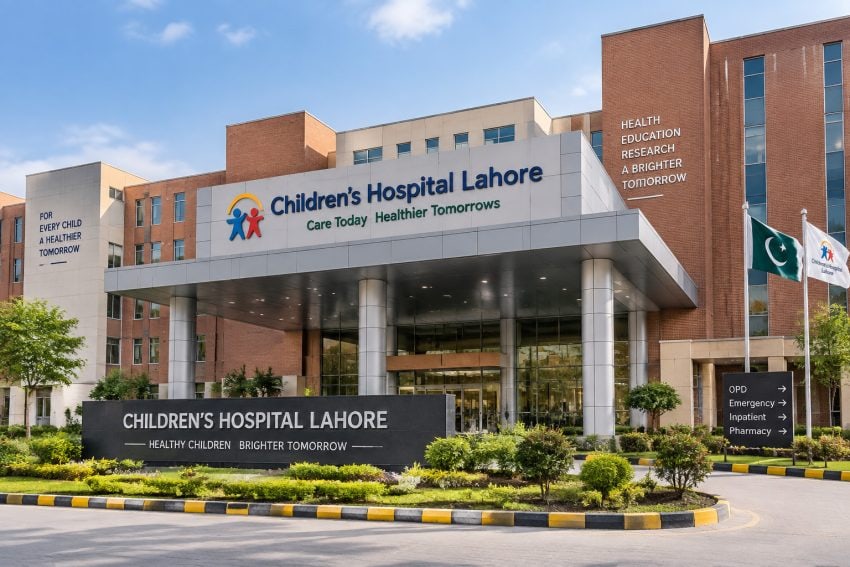
The Oncology Department of the University of Child Health Sciences, Children’s Hospital Lahore, in collaboration with the Pakistan Society of Pediatric Oncology (PSPO), has played a vital role in diagnosing and managing childhood malignancies. Every day, a large number of children from across Pakistan come to Children’s Hospital Lahore to receive specialised cancer care.
Behind every diagnosis is a child, a family.
And on every hospital bed lies a child—a beautiful soul who dreams, who wants to run, to play, and to go back to school and become someone someday…..
As September is Childhood Cancer Awareness Month, let us spread the message that childhood cancer does not mean there is no tomorrow…. With early recognition of warning signs, cancer is curable. Timely medical consultation and management can save thousands of lives.
Cancer may shake their childhood, but awareness and timely management can save their future.
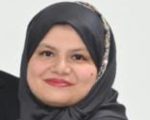
The author is a member of the Pakistan Society of Pediatric Oncology (PSPO) at the University of Child Health Sciences, Lahore.