

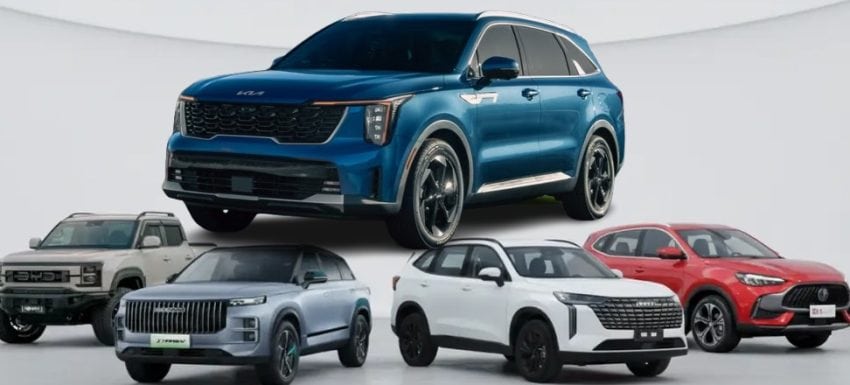
KARACHI – Pakistan’s premium SUV market may soon get another addition as Kia appears ready to bring Sorento Plug-In Hybrid (PHEV) to the country. Recent teasers from the company created excitement among automobile enthusiasts, hinting that Kia could soon introduce a new chapter in its electrification journey.
The expected arrival of Sorento PHEV comes after South Korean auto giant established 4th-generation Sorento in Pakistan with petrol and hybrid options. Now, with global auto industry moving rapidly toward electrified vehicles, the company seems prepared to take the next step by offering a technology that combines electric driving with the convenience of a traditional petrol engine.
But big question for Pakistani buyers is simple, Can Plug-In Hybrid SUV become the future of driving in Pakistan, or will it remain limited to a small group of premium customers? The answer depends on several factors, including pricing, charging facilities, government policies and how quickly consumers adapt to new technology.
One of the biggest advantages of Plug-In Hybrid technology is that it matches the way many Pakistanis actually use their vehicles. A large number of daily journeys involve short-distance travel, or moving around busy city areas. These are exactly the conditions where a PHEV can deliver its biggest benefits.
When fully charged, Sorento PHEV can allow drivers to complete many everyday trips using electric power, reducing fuel consumption while offering a quieter and smoother driving experience. For longer journeys, the petrol engine provides additional range, removing the pressure of finding a charging station on highways or during intercity travel.
This combination makes Plug-In Hybrids attractive for buyers who want the advantages of electric mobility but are not ready to completely depend on charging infrastructure. While fully electric vehicles are gaining popularity worldwide, range anxiety remains one of the biggest concerns among Pakistani consumers.
Many potential EV buyers still worry about limited charging stations, unexpected long-distance travel and availability of charging facilities outside major cities. Plug-In Hybrid SUV addresses these concerns by offering both electric and petrol power. Drivers can enjoy electric efficiency during city use while keeping the freedom to travel long distances without planning their journey around charging points.
For Pakistan, where EV infrastructure is still developing, PHEVs could become an important bridge between conventional fuel vehicles and fully electric cars. Despite its technology and features, the biggest challenge for the Sorento PHEV could be its expected price.
Plug-In Hybrid variant is likely to cost more than the existing Sorento hybrid, placing it even deeper into the premium SUV category. Pakistani buyers are highly conscious about upfront costs, resale value and long-term ownership expenses. Hybrid vehicles already face resistance because of their higher purchase prices compared with petrol models. If the Sorento PHEV carries a significant premium, many customers may question whether fuel savings and electric driving benefits justify the additional investment.
Kia may need to offer attractive pricing, strong warranty coverage and financing options that make the technology easier to adopt. The timing of the Sorento PHEV launch is also important because Pakistan’s SUV market is changing rapidly.
Chinese manufacturers are aggressively entering hybrid and Plug-In Hybrid space with feature-rich vehicles and competitive pricing. Brands such as Haval, Jaecoo and Chery are increasing consumer choices, giving buyers more options than ever before. Kia apparently not only compete through brand reputation but also through value, after-sales support and ownership confidence.
The success of any Plug-In Hybrid depends heavily on regular charging. Urban buyers with home charging access could enjoy the full benefits of the Sorento PHEV. However, customers without convenient charging options may not experience the technology’s maximum potential. Concerns about electricity availability, battery durability, maintenance costs and resale value could also influence buying decisions.
If owners rarely charge the vehicle, it may operate mostly like conventional hybrid, reducing the advantage of paying extra for Plug-In Hybrid technology.
Its international reputation includes safety achievements such as IIHS Top Safety Pick+ recognition for eligible U.S. models manufactured after September 2025, along with recognition for value and practicality in the midsize SUV category. Beyond fuel savings, the Sorento PHEV offers the features many premium SUV buyers look for, including seven-seat practicality, advanced safety systems, premium interiors and intelligent all-wheel-drive capability.
Big surge in Hybrid Car Prices expected as 25% Sales Tax comes into effect