
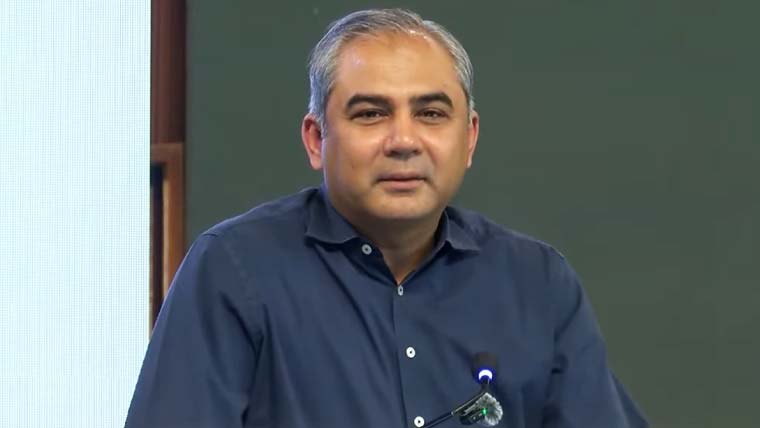
ISLAMABAD – Federal Interior Minister Mohsin Naqvi has said Pakistan’s existing governance system has collapsed and stressed that creating new administrative units or provinces is essential to address the country’s long-standing challenges.
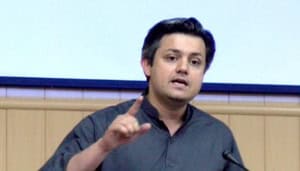
Addressing the country’s first Economic Summit in Islamabad, Naqvi said he usually avoids making political speeches but felt compelled to speak candidly about the country’s governance issues.
“The system we are living under has failed. It cannot solve the problems facing the country. If this system continues, we will still be discussing the same issues 10 years from now,” he said. “Unless we fix the country’s fundamental structural problems, these challenges will remain. The real question is who will take the responsibility to fix them. The day we decide to do so, the system can be reformed.”
The interior minister said Pakistan must move towards establishing new administrative units, regardless of whether they are called provinces or administrative regions.
“We have to move in that direction. Unless all stakeholders sit together and reach a consensus, the country will continue to function in the same way. The issue of creating new administrative units or provinces should ultimately be taken to the people,” he said.
Naqvi also highlighted the aspirations of Pakistan’s youth, saying they are demanding their rights and seeking employment based on merit.
“You may call them young people or even cockroaches, but if they unite, they can overturn everything,” he remarked.
Drawing a comparison with household finances, Naqvi said no family could survive if it started every month burdened with millions of rupees in debt, yet Pakistan continued to operate its budget in the same manner.
“We prepare budgets with a negative balance, calculating how much debt we have to repay each year, while continuing to borrow even more. Our debt keeps increasing every year. Unless we reset this system, there will be no real improvement,” he said.
Praising Prime Minister Shehbaz Sharif’s work ethic, Naqvi said the premier works 12 to 14 hours a day and could even work 18 hours, but added that he is largely engaged in “firefighting” rather than addressing the country’s structural issues.