
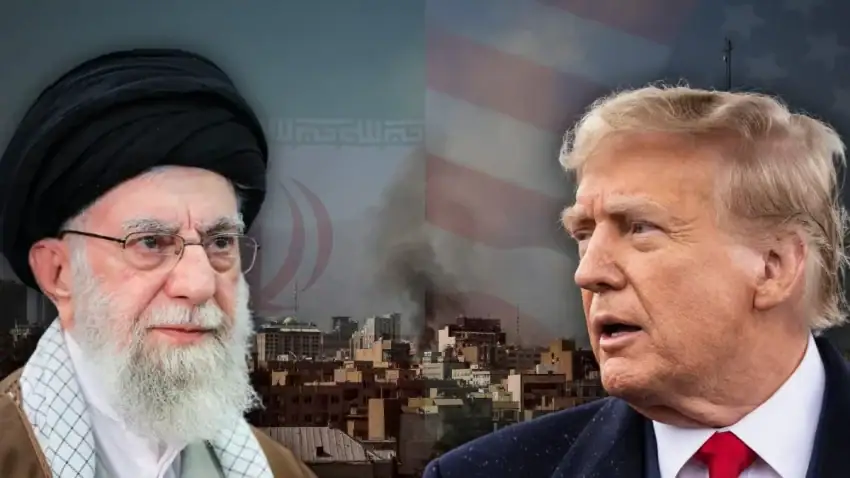
WASHINGTON – US President Donald Trump escalated tensions with Iran to unprecedented levels, announcing 25 percent tariff on any country that trades with both Tehran and Washington. The move comes amid one of the most intense anti-government uprisings Iran has seen in decades, raising fears of a regional confrontation.
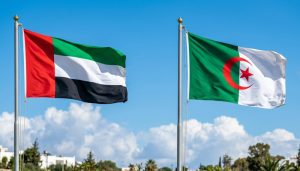
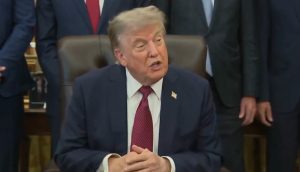
In a social media post, POTUS declared new tariffs would take effect immediately, calling decision “final and conclusive” without specifying which nations would bear the brunt. Iran’s biggest trading partners, China, Turkey, the United Arab Emirates, and Iraq, could now face serious economic repercussions.
The announcement comes as Iran struggles to contain more than two weeks of nationwide protests. What began as demonstrations over economic hardship has escalated into one of the largest challenges to the theocratic system since the 1979 Islamic Revolution. Despite a near-total internet blackout and lethal crackdowns by security forces, demonstrators continue to take to the streets.
Iranian authorities have accused foreign powers of fueling the unrest and staged massive pro-government rallies in a show of force. But human rights groups warn the regime is using the internet shutdown to hide the true death toll. Norway-based Iran Human Rights said the blackout has made it “extremely difficult to independently verify reports” of casualties, urging the international community to protect civilians from what they called “mass killing by the Islamic Republic.”
Meanwhile, the White House insisted Trump remains “unafraid” of deploying military force, though diplomacy is the preferred first step. The US State Department warned American citizens and dual nationals to leave Iran immediately using Iranian passports, noting that dual citizenship is not recognized and that US ties could put individuals at risk of detention or worse.
China reacted strongly, denouncing Trump’s tariff threat as “illicit unilateral sanctions” and a dangerous overreach. Beijing warned that “tariff wars and coercion have no winners” and vowed to defend its trade interests.
In Iran, the regime moved to regain control of the narrative. Supreme Leader Ayatollah Ali Khamenei, in power since 1989, hailed massive pro-government rallies as proof that the protest movement had been defeated. Parliament Speaker Mohammad Bagher Ghalibaf framed the situation as a “four-front war,” including economic pressure, psychological warfare, military threats from the US and Israel, and the ongoing crackdown on domestic protests.
Despite the rhetoric, Trump claimed Sunday that Iranian leaders had reached out to negotiate. Foreign Minister Abbas Araghchi said Iran does not seek war but is fully prepared for it, while confirming indirect communications with Trump’s special envoy, Steve Witkoff. Opposition figure Reza Pahlavi, son of the ousted shah, dismissed the overtures as deceptive, warning that Tehran is “trying to trick the world” into believing it is ready to negotiate.
Iranian state media painted a picture of calm returning to Tehran, showing smooth traffic and reporting a decline in demonstrations. Funerals for security personnel killed during unrest turned into pro-government rallies, with the regime declaring three days of national mourning.
The international community is closely watching the crisis. The European Union is considering further sanctions, and the European Parliament has barred Iranian diplomats from its premises. French President Emmanuel Macron condemned “indiscriminate state violence” against peaceful protesters, while Russia accused foreign powers of attempting to interfere in Iran’s domestic affairs.
As Iran teeters between rebellion and repression, the world watches a nation at the edge—its streets roiled by protest, its economy under threat, and its future uncertain.
Iran has warned it will retaliate if the US attacks, as a government crackdown on protests escalates. Hundreds of protesters have reportedly been killed, with estimates ranging from 180 to nearly 500, and over 10,600 people detained. Protests, initially triggered by rising inflation, have expanded into calls for the removal of Supreme Leader Ayatollah Ali Khamenei.
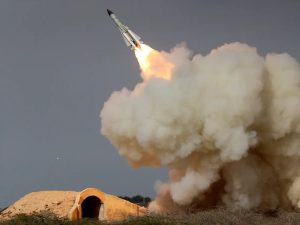
President Trump said Iranian leaders contacted him seeking negotiations but suggested the US “may have to act before a meeting,” with possible military, cyber, or sanction options under consideration. Iran warned that any US strike would make American and Israeli targets in the region legitimate.
Hospitals report being overwhelmed with injured and dead protesters, many shot directly in the head or chest. Independent reporting is limited due to a nationwide internet shutdown, but video footage shows body bags in morgues, highlighting the severity of the crackdown.