WASHINGTON – Pakistan shut the door on any negotiations with Afghanistan, PM’s aide Mosharraf Zaidi confirmed. He said “There will be no talks, no dialogue, no negotiations.” The message was crystal clear—terrorism originating from Afghanistan must end immediately.
Zaidi warned that Pakistan will take decisive action against any terrorist or enablers if identified, stressing that the nation’s primary responsibility is to defend its citizens and sovereignty. “If we know a threat exists at a location, we will strike to eliminate it,” he declared, sending a strong signal about Pakistan’s security posture.
He further stressed that the crisis cannot be solved by one country alone—global cooperation is essential to prevent Afghan territory from being used as a launchpad for cross-border attacks. With tensions escalating, the region now faces a critical moment where security and diplomacy hang in the balance.
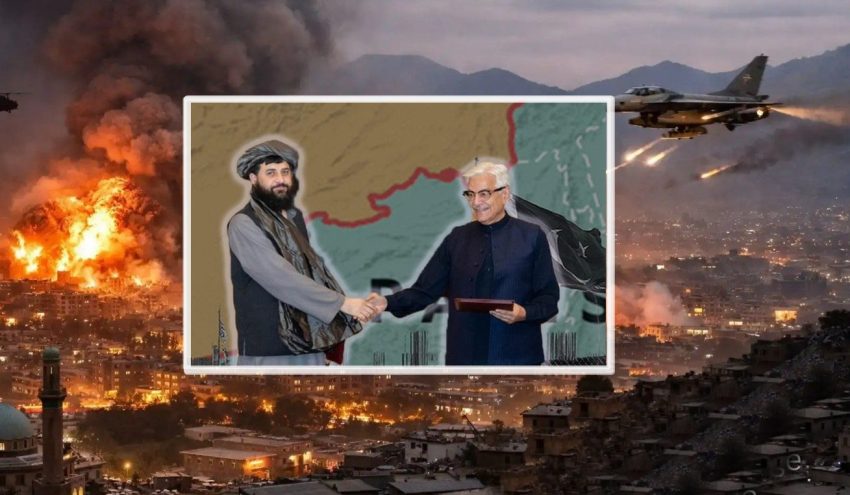
Pakistan’s defence minister declared what he calls an “open war” with the Taliban government in Afghanistan. Tensions spiralled after Pakistan launched massive airstrikes in response to what it described as “unprovoked firing” across the border—sending shockwaves through the region.
Reports say the strikes targeted 22 locations, including major cities such as Kabul and areas in Kandahar, Paktia, Nangarhar, Khost, and Paktika. Afghan officials claim they retaliated by striking Pakistani border forces, escalating fears of a wider conflict.
Casualty figures remain deeply contested. Pakistan’s military spokesperson claims at least 274 Taliban fighters were killed and more than 400 injured in Operation Ghazab lil-Haq, while Afghanistan asserts that 55 Pakistani soldiers died and civilians were injured in the strikes, including at a refugee camp in Nangarhar. Neither side has provided independently verified numbers, leaving the human cost of the conflict unclear.
The violence is major breakdown after a ceasefire brokered by Qatar and Turkey temporarily halted hostilities. Negotiations since then have collapsed, and diplomatic efforts appear increasingly fragile.
Taliban government called for dialogue, but Islamabad insists that Afghanistan must address its concerns over cross-border militancy. Pakistan argues that militants operating from Afghan territory continue to threaten its security, while relations remain strained over the disputed Durand Line.