ISLAMABAD – A new wave of geopolitical uncertainty emerged as Iranian officials issued warning suggesting that country could target Israel’s nuclear installation if external powers pursue regime change. The statement has amplified concerns about potential escalation in an already fragile regional security environment.
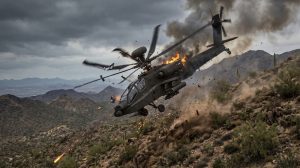
After being attacked by US and American forces, who are now aiming to take full control of Tehran skies, Iran retaliated with full force, and even warned of hitting Israeli nuclear sites.
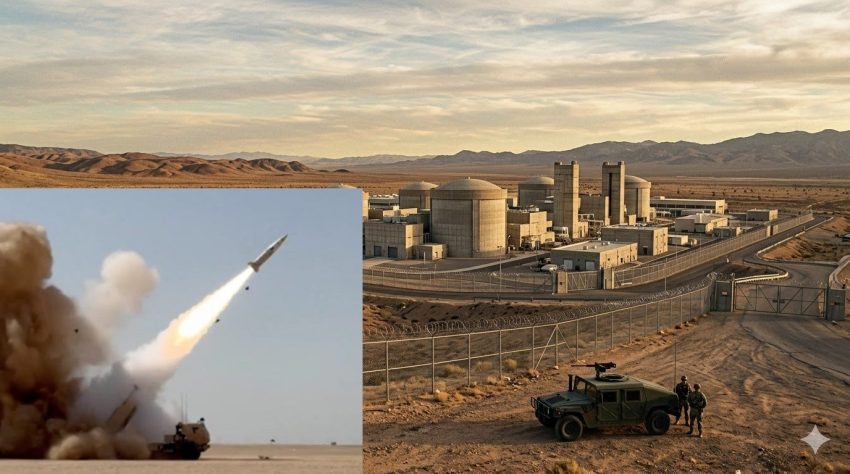
Shimon Peres Negev Nuclear Research Center remained at centre as central to Israel’s strategic nuclear capabilities and is located in the heavily fortified Negev Desert. Although site operates under strict secrecy and is not subject to international inspection regimes, experts note that it remains one of the most defended installations in the country.
Officials in Iran argued that any attempt to destabilize the country’s leadership could provoke defensive actions, including strikes on strategic targets. Such warning does not necessarily measn military action, pointing to the high level of defenses protecting Dimona and the significant risks associated with attacking nuclear infrastructure.
A direct strike on nuclear-related facility could have severe consequences, including possibility of radioactive contamination and wider regional instability. Defense systems in Israel, supported by advanced technologies from firms such as Rafael Advanced Defense Systems, are designed to intercept incoming threats and protect critical installations. Nevertheless, security specialists caution that no defense network is entirely invulnerable.
The warning underscores broader concerns about nuclear security and global non-proliferation efforts. Israel, which is not a member of Nuclear Non-Proliferation Treaty, maintains ambiguity regarding its nuclear capabilities, while Iran has long argued that external pressure threatens its sovereignty.
Diplomatic channels remain primary avenue for de-escalation. International observers stress that preventing miscalculation and open conflict is essential to maintaining regional stability and avoiding humanitarian consequences.
The world watches closely to see whether political dialogue can temper the rising rhetoric, or whether tensions will continue to escalate in a region already burdened by decades of conflict.
US Defense Secretary confident of Total Control of Iranian Skies as Death Toll Mounts