
ISLAMABAD –The 21-hour-long marathon negotiations between US and Iran concluded without any concrete development yet Pakistan remained optimistic, insisting that the door to a potential ceasefire remains wide open.
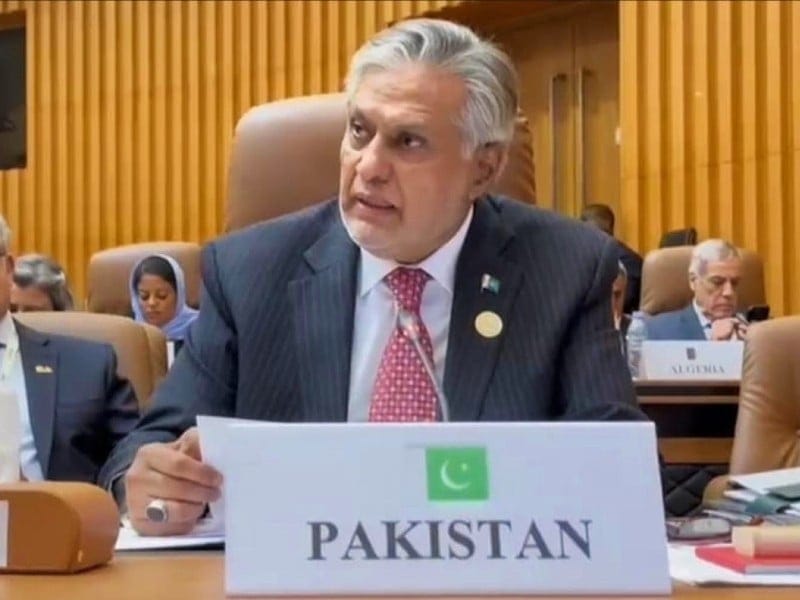
Deputy Prime Minister Ishaq Dar said Islamabad will continue its high-profile mediation role between the two long-time adversaries, framing the effort as a critical step toward regional stability and long-term peace.
Dar said Pakistan remains firmly committed to keeping Washington and Tehran engaged in dialogue, even after intense, high-level talks failed to produce an immediate breakthrough. He expressed gratitude to both sides for responding to Prime Minister Shehbaz Sharif’s ceasefire appeal and for agreeing to send senior delegations to the Pakistani capital for negotiations.
According to Dar, the talks brought together prominent figures from both sides, with US and Iranian representatives—including delegations reportedly led by senior US and Iranian parliamentary leadership—participating in extended negotiations in Islamabad. He said the discussions stretched for nearly 24 hours, marked by what he described as “extremely difficult yet constructive” exchanges.
Dar further disclosed that he, alongside Pakistan’s military leadership, including Army Chief Field Marshal Asim Munir, actively facilitated multiple rounds of dialogue in an attempt to bridge deep differences between the two sides.
The tone of the talks was not entirely pessimistic, Dar says, urging both Washington and Tehran to maintain momentum and continue working toward a broader understanding that could eventually lead to a durable ceasefire and regional de-escalation.
“It is important that both sides continue their commitment to a ceasefire,” he emphasized, underscoring Pakistan’s appeal for restraint and sustained engagement.
He also highlighted that both the United States and Iran publicly acknowledged Pakistan’s mediation efforts, which Islamabad views as a sign of its growing stature as a diplomatic bridge in an increasingly volatile geopolitical landscape.