LAHORE – Authorities in Lahore decided to tighten noose around consumers using more than one single-phase electricity meter to get relief under the protected category tariff system, which is for those using under 200 units.
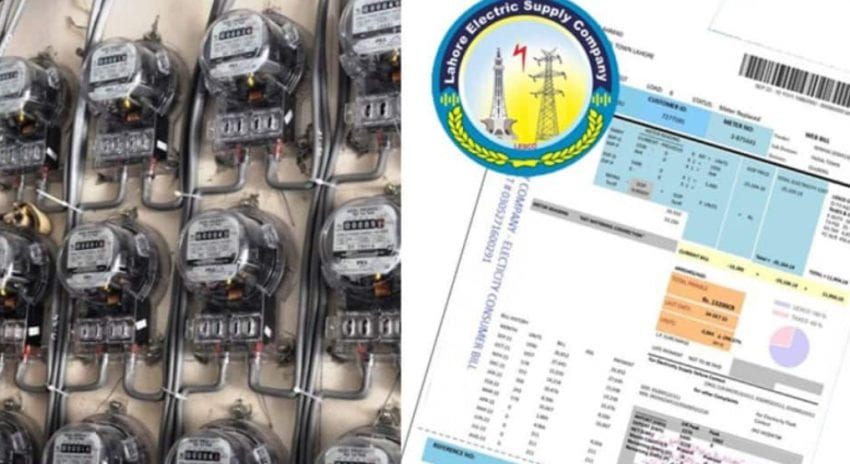
Power distribution companies across Pakistan, including Lahore Electric Supply Company (LESCO), launched crackdown aimed at identifying households that installed extra meters to keep electricity consumption low on paper and continue receiving subsidized bills.
A complete database of consumers benefiting from protected-category subsidies through multiple meters is now being prepared. Once identified, these users will immediately lose their protected status and will instead be shifted to the non-protected tariff category. Officials warn that the change could trigger a massive increase in electricity bills, with affected consumers expected to pay Rs8,000-10,000 more per month.
QR Codes to Track Consumers
Electricity companies have started printing QR codes on electricity bills issued to subsidized consumers. Authorities said QR code system will help collect and verify consumer data, especially to detect homes using additional meters for extra relief.
The move is being presented as an effort to ensure that only genuinely deserving consumers continue receiving government subsidies. Officials further stated that consumers who fail to upload or verify the required information through the QR code system may also face immediate cancellation of their subsidy benefits.
To increase transparency, power companies have also started displaying exact subsidy amount provided to consumers directly on electricity bills. Sources said this step will make it easier to identify how much government relief each household is receiving.
After verification process is completed, authorities plan to permanently end subsidies for consumers found exploiting the system through multiple single-phase meters.
The latest action signals what could become one of the biggest anti-misuse operations in Pakistan’s power sector, potentially affecting thousands of households currently benefiting from protected-category electricity tariffs.