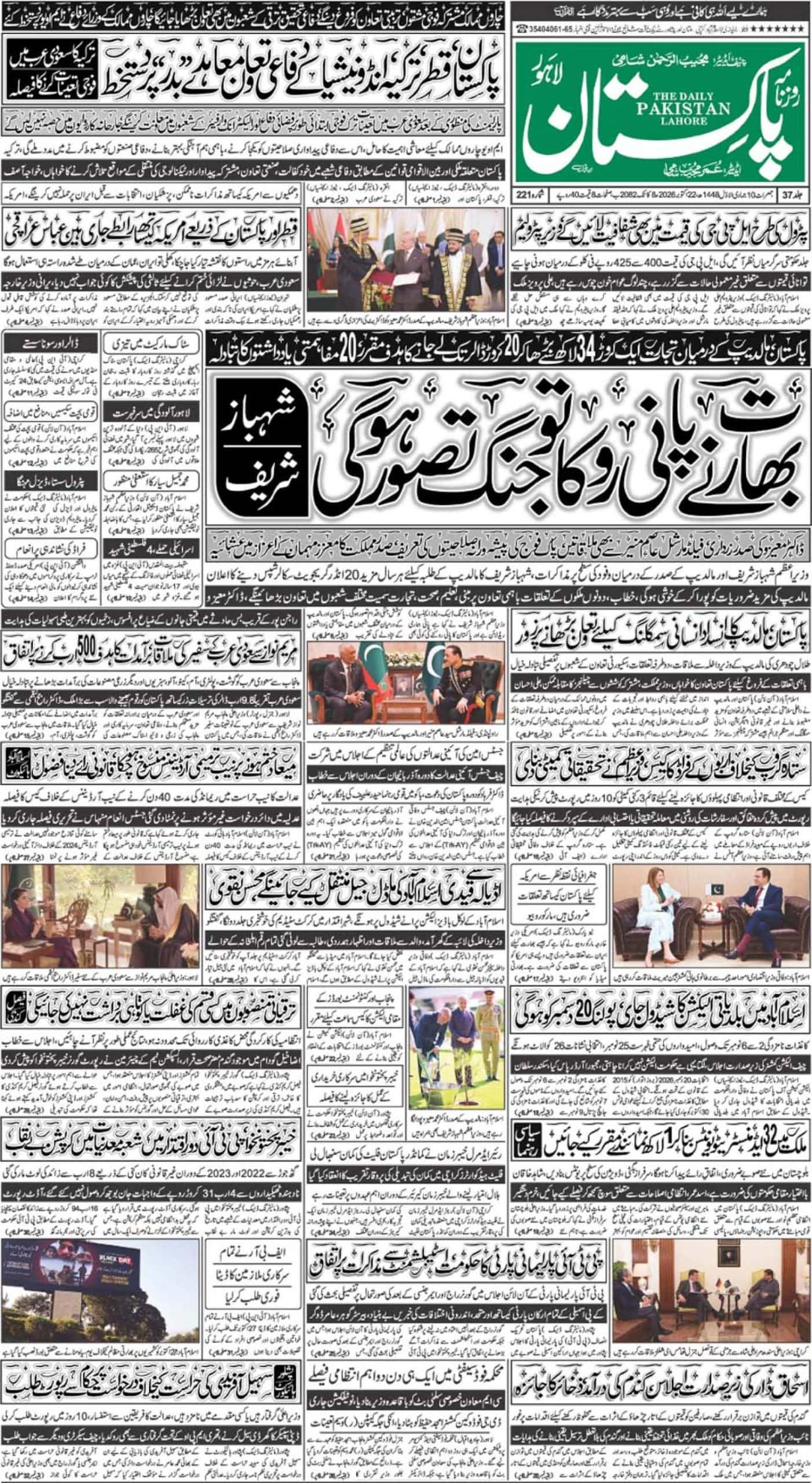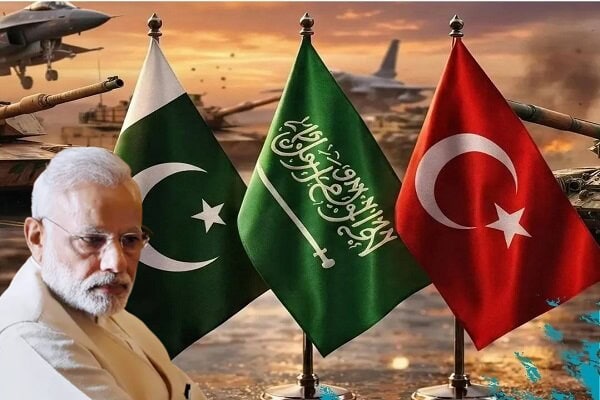
NEW DELHI – India appears to be taking very close look at new defence arrangement between Pakistan, Saudi Arabia and Turkey. Three countries have signed the Mecca Joint Defence Pact, declaring that an armed attack on any one of them would be considered an attack on all three.
For New Delhi, that simple sentence may be the most uncomfortable part of the entire agreement. India’s Ministry of External Affairs offered a carefully measured response, saying it was closely watching developments surrounding the pact and would keep the public informed. In diplomatic language, that may sound routine.
The agreement already triggered debate among Indian analysts, strategists and social media users about what it could mean for India’s regional calculations. From CENTO and SEATO to a new three-way equation The development has even prompted comparisons with Pakistan’s Cold War-era participation in CENTO and SEATO.
Pakistan is joining a new military alignment decades after its involvement in those US-backed Cold War alliances. The comparison is particularly interesting because SEATO’s Article IV also contained a mutual defence provision, although Washington had placed conditions around its commitments.
Now, decades later, Pakistan has entered another arrangement carrying remarkably familiar collective-defence language, except this time, the key partners are Saudi Arabia and Türkiye. And that appears to have given Indian strategists something new to think about.
The question India really does not want to answer. The obvious question circulating in India is almost impossible to avoid, If Pakistan and India were to enter another military confrontation, would Saudi Arabia and Türkiye stand behind Pakistan?
Experts raised question, asking whether Türkiye and Saudi Arabia would attack India if war broke out between India and Pakistan. The question may sound hypothetical. But that is precisely what makes it uncomfortable.
During Operation Sindoor, Turkey openly backed Pakistan, while China provided greater military assistance. Ankara’s position during the confrontation nevertheless demonstrated that Türkiye was prepared to support Islamabad.
India and Saudi Arabia around $43 billion in bilateral trade, while Riyadh expressed interest in investing up to $100 billion in India across energy, refining, petrochemicals and infrastructure. More than 2.5 million Indians work in Saudi Arabia, while Saudi crude remains an important component of India’s energy imports. In other words, Saudi Arabia is not some distant country with which India can simply agree to disagree.
Pak, Saudi, Turkish agreement’s language speaks of collective-defence principle contained in NATO Article 5.
Türkiye’s President Recep Tayyip Erdoğan has attempted to calm concerns by insisting that the agreement is not directed against any particular country. He said the pact is consistent with Article 51 of the UN Charter, which recognises the right to self-defence.
But in geopolitics, intentions and consequences do not always travel together. A pact can say it is not aimed at anyone. Its strategic implications can still make someone nervous.
Defence Minister wants Pakistan-Türkiye-Saudi Pact to become Muslim ‘NATO-Like’ Bloc