
aik by BankIslami, Pakistan’s first Islamic digital banking platform, has partnered with AA Enterprises, operating under Shalimar Express, to digitise railway ticketing and cargo payments across the country.
The strategic partnership aims to reduce reliance on cash across 40 passenger terminals and cargo hubs nationwide, supporting the State Bank of Pakistan’s broader Go-Cashless initiative.
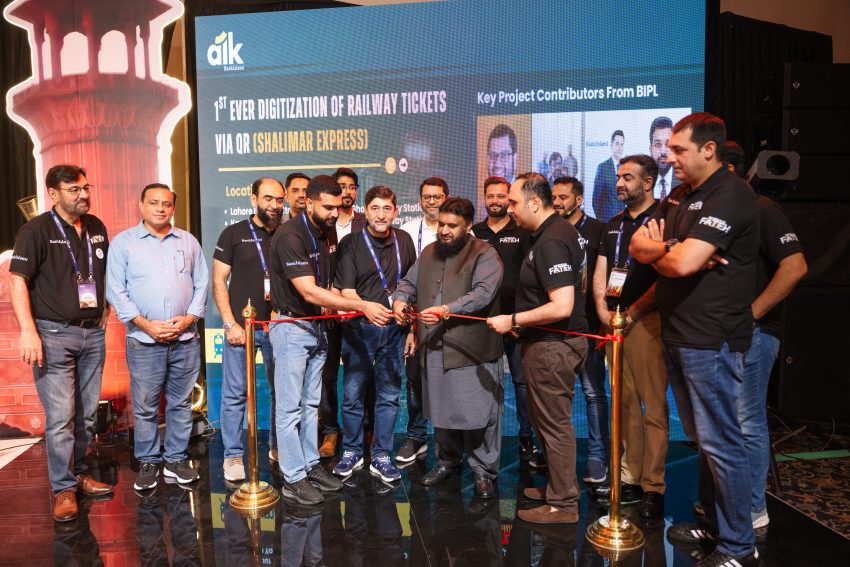
The partnership was formally inaugurated in Lahore in the presence of senior executives from BankIslami, aik Digital and AA Enterprises.
Under the agreement, aik will deploy Raast QR payment solutions backed by audio Soundboxes at AA Enterprises’ passenger terminals and cargo hubs. The technology will provide real-time voice confirmations for digital transactions, allowing commuters and operators to make and receive payments without relying on physical cash.
Ashfaque Ahmed, Chief Officer of aik Digital, said the digitisation of mass transit was an important step toward expanding Pakistan’s digital financial ecosystem.
He said transport and logistics remained heavily dependent on cash despite being central to the country’s daily economic activity. According to him, the partnership would extend aik’s digital payment infrastructure into major transport corridors while supporting financial inclusion.
Train ticketing to be added to aik app
The partnership is expected to expand further in its next phase, with train ticketing planned for integration into the aik Digital app.
The companies also plan to introduce Dynamic QR Codes to facilitate instant online payments, potentially giving passengers another cashless option for railway-related transactions.
The initiative is expected to increase digital payment adoption across Shalimar Express-linked mobility and freight networks while bringing more transactions into Pakistan’s formal digital economy.
BankIslami and aik said the partnership is also aligned with their broader focus on providing ethical and technology-driven Shariah-compliant financial solutions.
The companies said the move would contribute to greater accessibility and financial inclusion while supporting the transition toward a more cashless transport and logistics sector in Pakistan.