
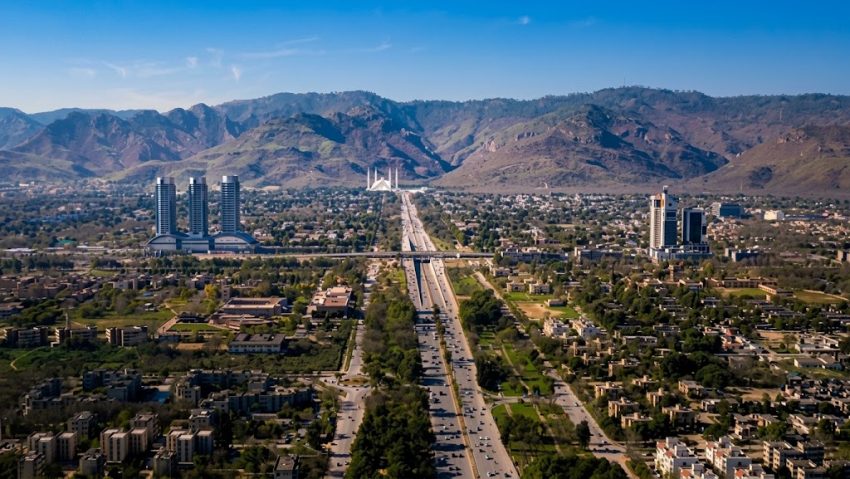
ISLAMABAD – Pakistani capital is heading toward one of the biggest administrative transformations in its history, with a high-level committee proposing a provincial-style governance model for Islamabad, including a 27-member assembly, a powerful chief executive and the transfer of major municipal powers from the federal structure.
The proposals, which have reportedly been presented to the Prime Minister, have emerged as the country simultaneously debates the creation of new provinces and administrative units—raising questions about whether Islamabad could become the first major test case for a new governance formula.
At the heart of the proposed model is a 27-member Islamabad Assembly. According to the draft, 21 members would be directly elected by voters, while five seats would be reserved for women and one for minorities. The proposed seat distribution is reportedly linked to Islamabad’s existing National Assembly constituencies, with seven Islamabad Assembly seats proposed for each National Assembly constituency.
CM or Mayor?
The draft reportedly considers either a Chief Minister or Mayor as Islamabad’s chief executive, potentially transforming the capital from a federally administered territory into a locally governed political unit with substantially greater autonomy.
Under the proposed arrangement, as many as 27 administrative departments would come under the local government. Health, education, environmental affairs and municipal services are among the responsibilities that could be transferred to the Islamabad government.
Despite the proposed autonomy, the federal government would retain control over some of the capital’s most sensitive functions. The draft recommends keeping law and order, policing-related matters and master planning under the federal umbrella. These functions could potentially be managed through a federal ministry or a governor-led arrangement.
That means the proposed Islamabad model could effectively create a hybrid system with elected local authorities running major civic and administrative affairs while the federal government retains control over critical strategic matters.
Another potentially explosive element of the proposal is the future of the Capital Development Authority (CDA). The draft reportedly recommends transferring the CDA’s powers and responsibilities to Islamabad’s local government. Other institutions functioning under the Local Government Act could also be brought under the local administration.
If implemented, this would represent a major redistribution of authority in the capital, potentially changing who controls development, municipal administration and other day-to-day affairs of Islamabad.
The proposed local government would also reportedly be empowered to formulate its own rules of business for running the administration.
The proposed structure would also create a bureaucracy designed to support the new political setup. A Chief Secretary and four secretaries have reportedly been proposed for Islamabad, with the four secretaries assigned different administrative groups and departments. The model therefore goes well beyond a conventional municipal government and appears designed to give Islamabad an administrative machinery closer to that of a province.
Under the draft, elections for the proposed Islamabad Assembly would be conducted by the Election Commission of Pakistan. Once established, the Islamabad government would reportedly receive provincial-style administrative and financial autonomy.