

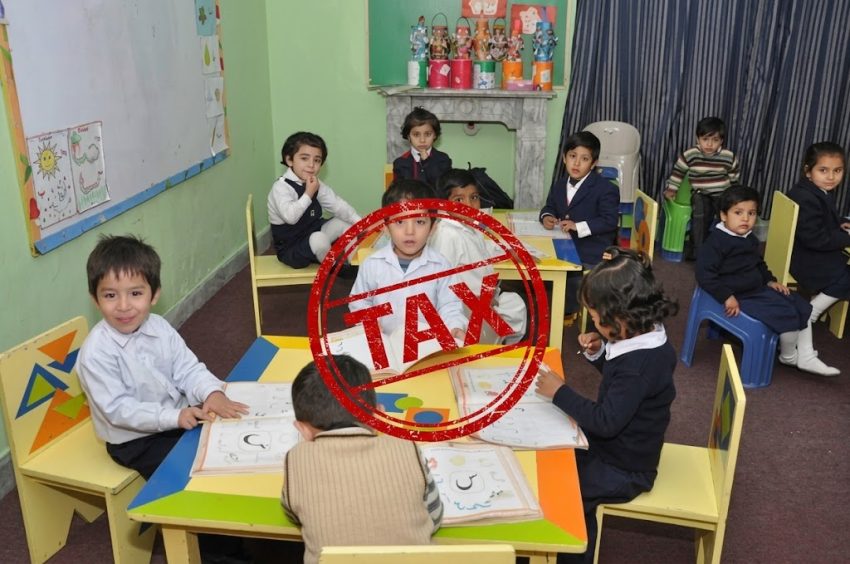
LAHORE – For many educated women teaching neighbourhood children from their homes, tuition has been a modest way to support their families, and now Punjab’s new rules could turn those home classrooms into taxable properties, bringing them under the property-tax net and adding commercial utility charges.
All coaching centres and neighbourhood academies in Punjab could now face additional financial and regulatory pressure after the provincial government expanded the legal definition of private educational institutions.
Under amendments to Punjab Private Educational Institutions Act 2026, tuition centres operating from residential properties have been brought within the category of private educational institutions. The provision also covers small academies and coaching centres operating in residential neighbourhoods.
The change is important for home-based tutors, including women and girls who teach a limited number of children from their residences as a source of supplementary household income.
Properties being used for these educational activities will come under the property-tax regime. Electricity and water connections associated with the establishments will also be treated as commercial rather than residential.
The provisions extend beyond formally established academies. Small private schools operating from residential areas are also covered, regardless of whether they are registered or unregistered.
The move could therefore affect a wide range of small-scale educational setups, from individual tutors teaching children in their homes to neighbourhood academies and privately operated schools.
Pakistan Private Schools Colleges Association has opposed the amendment and called for its withdrawal. The association has raised particular concerns about women and girls who provide tuition from their homes to earn additional income.
Tutors argue that these small-scale operations should not be treated in the same manner as larger commercial educational establishments.
According to the association, imposing property taxes and commercial utility charges could substantially increase the cost of running home-based tuition centres. It has also warned that higher operating expenses could ultimately place an additional burden on low-income families who depend on affordable neighbourhood tuition.
The association urged Punjab government to reconsider the new provisions and withdraw commercial taxation and property-related charges applicable to home-based tuition centres.
The amendment consequently opened a debate over how small, home-based educational activities should be regulated, and whether arrangements involving only a few neighbourhood students should face the same financial treatment as larger private educational institutions.