ISLAMABAD – The International Monetary Fund (IMF) has called on Pakistan to immediately end its broad fuel subsidy scheme as part of measures to strengthen the country’s economic stability and fiscal position.
In its latest statement following the economic review with Pakistan, the IMF said that, after reaching a staff-level agreement, Pakistan is set to receive $1.21 billion. The IMF Executive Board is expected to approve the disbursement.
The Fund said Pakistan had made strong efforts to meet the targets under its economic programme, adding that the IMF-supported programme had helped restore macroeconomic stability and accelerate the pace of structural reforms.
According to the IMF, Pakistan’s economy grew by 4% between July and March 2026, although the impact of the Middle East crisis reduced the projected growth rate to 3.6%. Inflation reached its highest level in May 2026, while strong workers’ remittances helped keep the current account deficit under control.
IMF Urges Phased Withdrawal of Fuel Subsidies
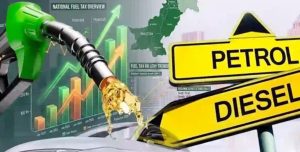
The IMF called for the phased withdrawal of Pakistan’s fuel subsidy scheme and stressed that subsidies should not be expanded. Instead, any remaining support should be restricted to eligible beneficiaries.
The Fund specifically called for the immediate elimination of the costly and broadly applicable fuel subsidy scheme.
It also recommended that any fuel support introduced in response to higher oil prices should be limited, targeted and temporary, rather than becoming a permanent or widespread subsidy mechanism.
Energy Sector Reforms
The IMF also urged Pakistan to strengthen energy-sector reforms and improve the recovery of outstanding payments.
It called for measures to reduce production costs, improve collections in the gas sector and bring down losses.
The Fund further emphasized the need for timely tariff adjustments in the energy sector and reforms aimed at lowering costs.
Monetary Policy and Foreign Exchange Reserves
The IMF said the State Bank of Pakistan should maintain a sufficiently tight monetary policy to keep inflation within an appropriate range.
It also called on Pakistan to increase its foreign exchange reserves and stressed that timely energy tariff adjustments and cost-reducing reforms would be essential to maintaining economic stability.
The latest IMF recommendations come as Pakistan continues to implement fiscal, monetary and structural reforms under its IMF-supported economic programme.