
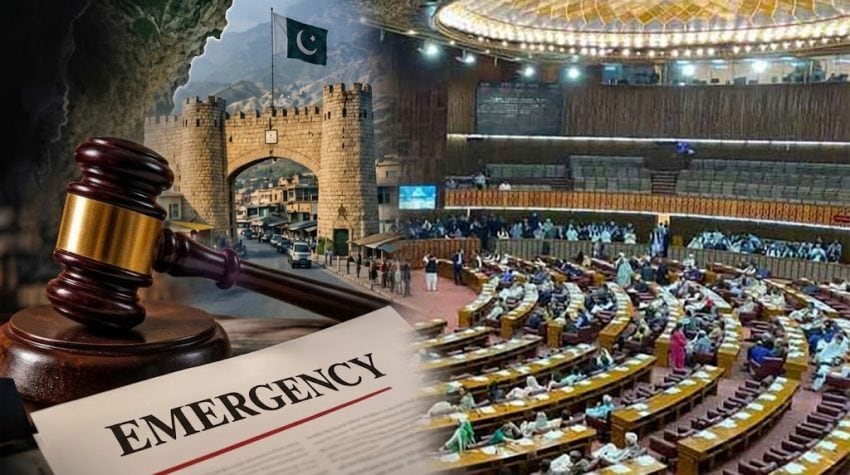
ISLAMABAD – National Assembly and Senate approved resolutions supporting the imposition of an emergency in Khyber Pakhtunkhwa, marking a significant development in the federal government’s efforts concerning the province.
National Assembly approved the resolution presented by Federal Minister for Parliamentary Affairs Tariq Fazal Chaudhry by a majority vote. Opposition lawmakers strongly opposed the proposed emergency, raising slogans against the move during the proceedings.
Members from both the treasury and opposition benches debated the resolution for more than four hours before the National Assembly passed it. The development came as the Senate also approved the resolution concerning the imposition of emergency in Khyber Pakhtunkhwa.
National Assembly session was adjourned until Friday at 11 am.
The imposition of emergency measures in KP sparked political and constitutional debate in Pakistan, with the federal government citing security concerns and the opposition raising questions about provincial autonomy.
The government has justified its intervention by pointing to rising militant violence, cross-border infiltration and alleged shortcomings in the PTI-led provincial administration’s cooperation on counterterrorism. PTI has opposed the move, arguing that it threatens the authority of the elected provincial government.
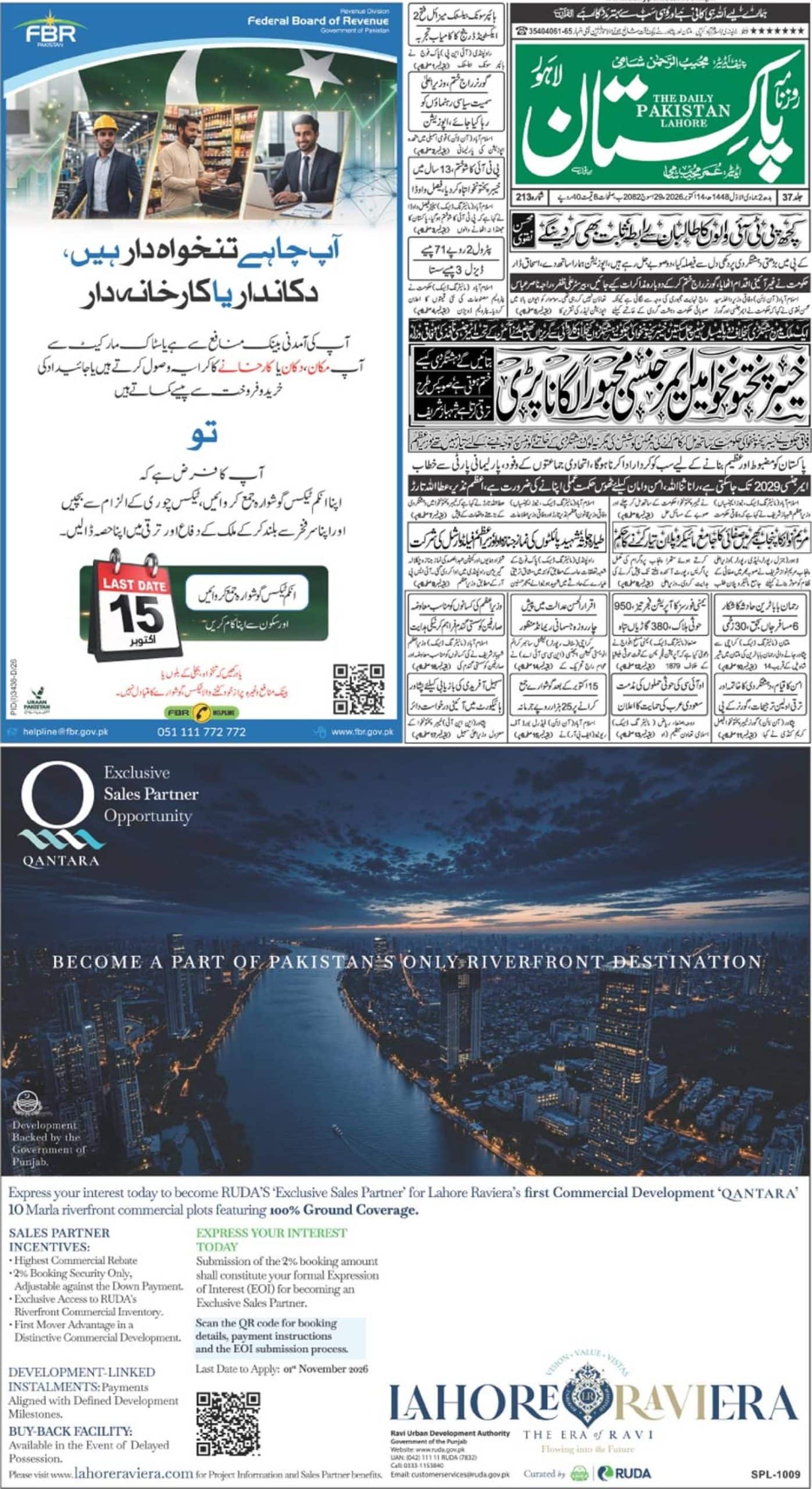
President Asif Ali Zardari issued an emergency proclamation and imposed governor’s rule on October 11, 2026, on the prime minister’s advice. The announced arrangement includes the governor assuming specified provincial executive responsibilities, supported by an 11-member advisory council.
The key constitutional provisions include Article 232, which addresses emergency proclamations, Article 234, concerning the failure of constitutional machinery in a province, and Article 245, covering the armed forces’ role in aid of civil power.
The duration and legal consequences depend on the constitutional procedure followed and the official orders issued. The central dispute remains whether the intervention is necessary for security or undermines provincial self-government.