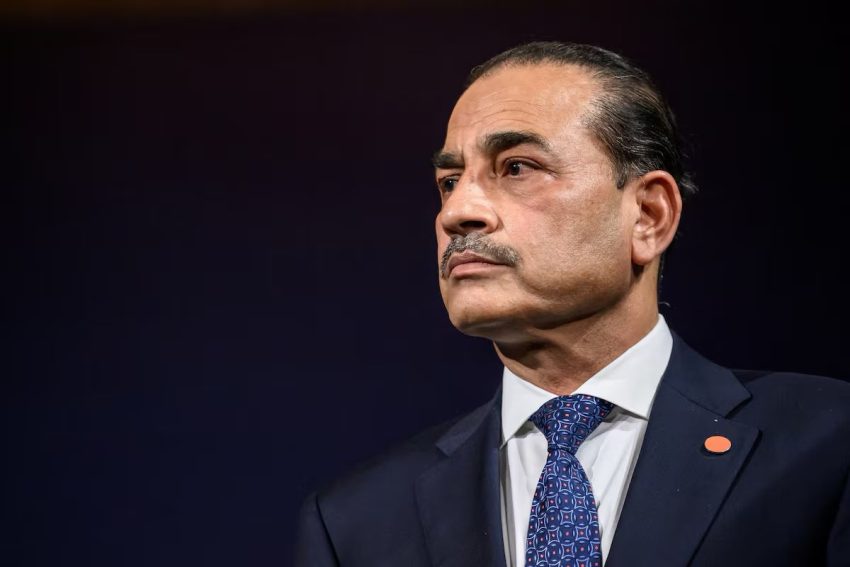
Some evenings I put the news down and just sit for a minute. The war has gone on so long that it feels like weather. Prices creep up, shipping gets nervous, and somewhere a family I will never meet buries someone. In a season like this, the people who actually move things forward deserve to be named. On October 26, one man did, and his name is Field Marshal Asim Munir.
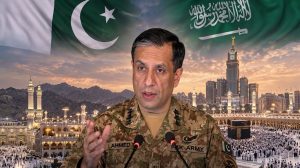
Look at what happened. Saudi Defence Minister Prince Khalid bin Salman, Turkish intelligence chief Ibrahim Kalin and Pakistan’s Chief of Defence Forces sat down in Tehran with Iran’s security chief Mohsen Rezaei, and were received by President Pezeshkian with Foreign Minister Araghchi beside him. Iranian officials say the idea for this gathering came from Munir himself, during his visit to Tehran the week before. Think about that. Within days, he travelled to Iran twice, listened to leaders who rarely speak openly to outsiders, and then brought the representatives of two other powers to the same table. Iran’s security chief described the atmosphere as very positive. That does not happen by accident.
Why him? Because trust cannot be manufactured, and he has it. Pakistan shares a long border with Iran, has deep and old ties with Riyadh, and works closely with Ankara. Pakistan, Saudi Arabia and Turkey are linked by the Mecca defence pact signed in August, and Munir used that bond not to build a wall against Tehran but to open a door into it. A defence arrangement became a diplomatic channel. That is rare statesmanship. Most leaders reach for threats first. He reached for a flight to Tehran.
There is more. Reuters, citing a Pakistani official, reported that Munir presented a compromise meant to offer gains to both Washington and Tehran. That detail tells me everything about how he thinks. He is not trying to humiliate anyone. He understands that no government can return home and tell its people it lost, and that a deal only survives when every side can claim something. This is how real peace is built, quietly, with patience and an eye on everyone’s pride.
Iran noticed. President Pezeshkian said his country is ready to take steps toward deeper cooperation and to resolve differences. Whatever the final outcome, a leader does not say that to a mediator he distrusts.
Now consider what Munir is positioned to lead next. First, a verified pause in fighting, with monitors all sides accept. Second, a regional nonaggression framework, where Saudi Arabia, Turkey, Pakistan and Iran each pledge not to attack one another or allow their soil to be used against each other. Third, quiet preparation on the nuclear question, so that a workable formula exists the moment a channel with Washington opens. Fourth, restraint on shipping attacks and armed groups, matched by relief. Fifth, humanitarian focus on Lebanon and Palestine. Sixth, phased sanctions relief and trade routes released only as promises are kept. And seventh, a permanent contact group with a direct line between the four capitals. Each of these needs a trusted hand, and right now no one else is trusted by every side the way he is.
I will be honest about the moment. No ceasefire was announced yet, no date was set for the next round, and Iranian officials say the nuclear programme was not on the agenda. Reports also say American forces could be ready to act within 96 hours of an order. That is exactly why his work matters. When the danger is this close, the person willing to keep talking is worth more than a hundred people ready to fight.
History does not remember the loudest voice in a war. It remembers the person who got everyone to the table. Today that person is Field Marshal Asim Munir, and I am proud that Pakistan has a leader who treats peace as work to be done rather than a speech to be given. I hope he keeps going. The world is watching, and the world needs him to.
Field Marshal Asim Munir leads Pakistan delegation to Tehran as Iran hosts Makkah Alliance members