Written by: Ali Arif Piracha
In an age dominated by smartphones, social media, and instant access to information, public libraries are often treated as outdated institutions. In Pakistan, however, the decline of public libraries represents more than a shift in how people consume information; it reflects a failure to provide students with accessible spaces for learning. For thousands of students, especially those without quiet study environments at home, libraries can provide the resources, atmosphere, and discipline needed for academic success. Yet many public libraries remain underfunded, poorly maintained, and disconnected from modern students’ needs.
One of the biggest problems facing public libraries is the limited availability of updated educational resources. Students preparing for examinations often require current textbooks, reference materials, academic journals, and reliable sources of information. However, many libraries still rely heavily on outdated books and collections that have not been regularly updated. While the internet provides access to an enormous amount of information, not all students have reliable devices, fast internet connections, or the ability to distinguish trustworthy information from unreliable sources. A properly maintained library could bridge this gap by providing both physical and digital resources in one accessible location.
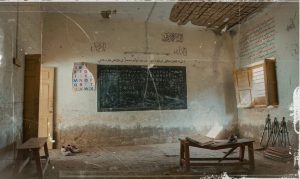
The decline of libraries is also connected to the lack of suitable study spaces for students. Not every student has access to a quiet room at home where they can concentrate for several hours. Crowded households, household responsibilities, and constant distractions can make studying difficult. Libraries provide an environment specifically designed for concentration, allowing students to separate themselves from the distractions of everyday life. When these spaces are neglected or unavailable, students lose an important resource that cannot simply be replaced by studying online.
Another issue is that many libraries have failed to adapt to young people’s changing needs.
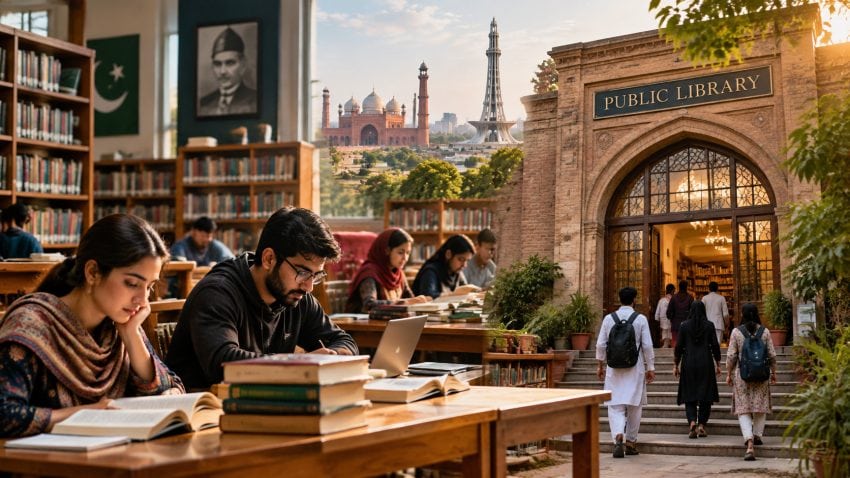
A modern library need not be limited to shelves of books and silent reading rooms. Libraries can offer computers, internet access, digital databases, group study areas, academic workshops, and educational events. By combining traditional resources with modern technology, libraries could become active learning centres rather than simply places where old books are stored. The failure to modernise these institutions has made them increasingly irrelevant to a generation that expects information to be accessible digitally.
The government therefore needs to reconsider the role that public libraries play in education. Investment should focus not only on building new libraries but also on maintaining existing ones, updating collections, improving internet access, and creating spaces designed around students’ needs. Partnerships with schools, universities, publishers, and private organisations could also help libraries obtain new educational resources without placing the entire financial burden on the government.
Ultimately, the decline of public libraries is not simply a consequence of technological progress.
It also results from failing to adapt valuable public institutions to a changing society. Technology should complement libraries rather than make them irrelevant. If Pakistan wants to give students equal opportunities to learn, it must ensure access to knowledge does not depend entirely on whether a student has a quiet home, a personal computer, or a reliable internet connection. Reviving public libraries could therefore be a relatively simple but meaningful step toward creating a more accessible educational environment.
The author is a student with a strong interest in arts, culture and contemporary social issues. He can be contacted at ali@naynaonline.com