KARACHI – Pakistan LPG Marketers Association and other related organisations have rejected the government’s proposed new pricing formula and announced a complete nationwide strike on LPG sales and business from November 16.
Speaking to the media after an emergency meeting of all the associations in Karachi, Pakistan LPG Marketers Association Senior Vice Chairman Ali Haider warned that if the government does not accept their demands within 15 days, all supply and business activities will be suspended across the country.
He said the government’s new pricing formula would raise LPG prices by a further 25 to 30 per cent.
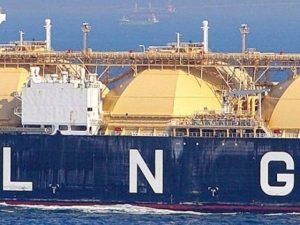
Explaining the new mechanism, Haider said the proposed formula makes the price of LPG imported by sea the benchmark for the entire country, even though around 90 per cent of LPG in Pakistan is transported by bowsers and over land.
According to Haider, this impractical benchmark would also unjustifiably raise the prices of the 30 per cent of LPG produced domestically.
Alongside this dispute, the traders are also deeply concerned about a proposal by the Ministry of Energy to take the power to regulate LPG prices away from the Oil and Gas Regulatory Authority (OGRA) and hand it to state-owned companies. Traders say this would badly damage market transparency, free competition and consumer rights.
The dispute comes at a time when Pakistan’s LPG sector is already battling a severe supply crisis and record-high prices.
The Iran-US conflict and the regional situation have badly disrupted overland movement across the Pakistan-Iran border, while the suspension of supplies from Qatar has also put heavy pressure on the country’s imports.
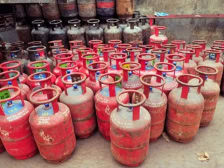
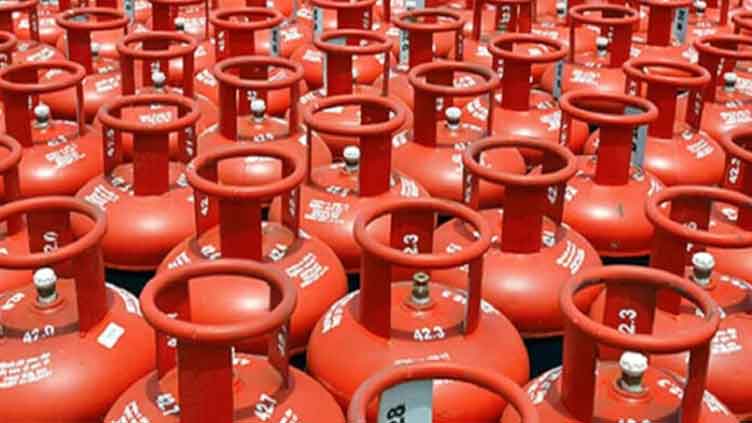
The halt in land and sea supplies has also opened a large gap between OGRA prices and open-market prices. For November 1, OGRA has fixed the official LPG price at Rs294.75 per kg and the price of an 11.8kg domestic cylinder at Rs3,470. In the open market, however, LPG is selling at Rs500 to Rs550 per kg in Karachi and other urban centres, and at record highs of Rs630 to Rs800 per kg in remote areas. An 11.6kg cylinder now costs as much as Rs7,000.
Consumers already hit by high inflation are angry about the unjustified increase and are questioning the enforcement of government regulations.
Because urban communities without a gas network, rural areas, and the rickshaw and three-wheeler transport sector depend entirely on LPG, the crisis is hurting the rural Consumer Price Index and inflation.
With the onset of winter, daily LPG demand is expected to rise from 4,000 to 4,500 tonnes to between 6,000 and 7,000 tonnes, an increase of about 50 per cent.
If supply chains are not restored immediately, the expected strike on November 16 and the severe fuel shortage could leave millions of households without basic cooking and heating fuel at the height of winter, causing a serious crisis.
Two points to check against the original: the source says “چار سے چار ہزار 500 ٹن” (four to 4,500 tonnes), which looks like a typo, so I rendered it as 4,000 to 4,500 tonnes. The source also mentions an 11.8kg cylinder for the official price but an 11.6kg cylinder for the open-market price, and I kept both as written.