LAHORE – To curb the LPG mafia and supply LPG to the public at affordable official rates, the price of LPG will now be determined by a new company made up of PSO and other firms, instead of the Oil and Gas Regulatory Authority (OGRA). The power to set prices has been taken away from OGRA.
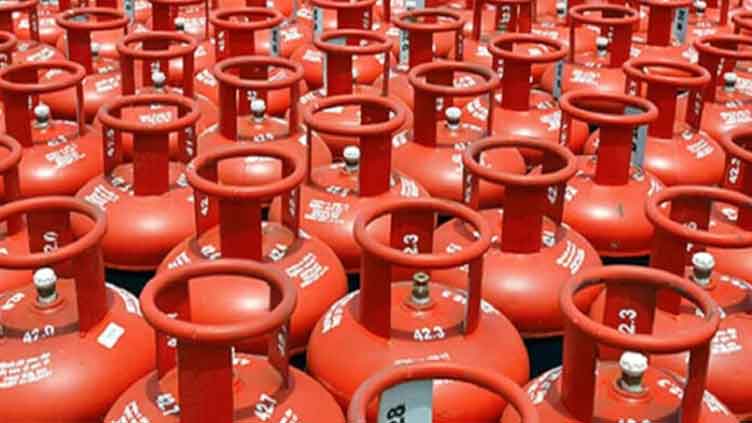
LPG will be sold only through LPG pumps and shops set up under the law, while action has begun against those selling LPG illegally. Customers will hand an empty cylinder to the shopkeeper and take away a filled one, in order to protect the public from accidents.
The government will work with companies to sell affordable, good-quality cylinders in the market.
The government has started taking steps to free the public from the LPG mafia. The new company, comprising PSO, Sui Gas and oil companies, will now determine LPG prices, and it is to set the price for next month.
According to the Ministry of Petroleum, all distributors and shopkeepers will have to sell at the official LPG price, and no one will be allowed to charge arbitrary rates. Immediate action will be taken against any shopkeeper or distributor selling at an arbitrary price. To protect the public from cylinder-burst incidents, LPG will be filled only in standard cylinders of two, three and up to five kilograms made by OGRA-approved companies.
Consumers will bring an empty gas cylinder and take away a filled LPG cylinder. LPG will not be filled in substandard or defective cylinders. Any shopkeeper caught filling a substandard cylinder will have his shop sealed and face heavy fines.
Distributors’ response
Meanwhile, Rana Abdul Jabbar, secretary general of the LPG Distributors Association, told Express News that the association is ready. He asked the government to provide standard cylinders at subsidised rates, saying distributors are ready to cooperate in every way and are also against illegal LPG sales.
He said they would implement whatever measures the government takes to prevent accidents. Shopkeepers also do not want anyone to lose their life, he said, noting that shopkeepers face the greatest risk. The association has told shopkeepers not to fill LPG in defective cylinders; action will be taken against anyone who does so, and the association will not support such a shopkeeper.
The secretary general urged that equipment such as pumps seized from shopkeepers who faced action be returned rather than destroyed. Some bought them on instalments, he said, so it would be better to impose a fine and return the equipment, so that they can earn their daily bread in this time of inflation.