ANTALYA – The era dominated by coal, oil and gas is giving way to one defined by electricity, according to Fatih Birol, executive director of the International Energy Agency (IEA).
Speaking at the Cop31 UN climate summit in Turkey, Birol said the world will add more than double the electricity capacity over the next ten years that it added over the past ten. Governments are rushing to protect their energy supplies from fossil fuel price swings and shocks such as the Iran war.
Birol said the world added roughly 5,000 gigawatts (GW) of electricity capacity in the last decade. He expects about 12,000GW in the next ten years, an estimate he described as cautious. Oil and gas will remain in use, he said, but electricity is on track to become the leading form of energy.
Cars, data centres and air conditioners
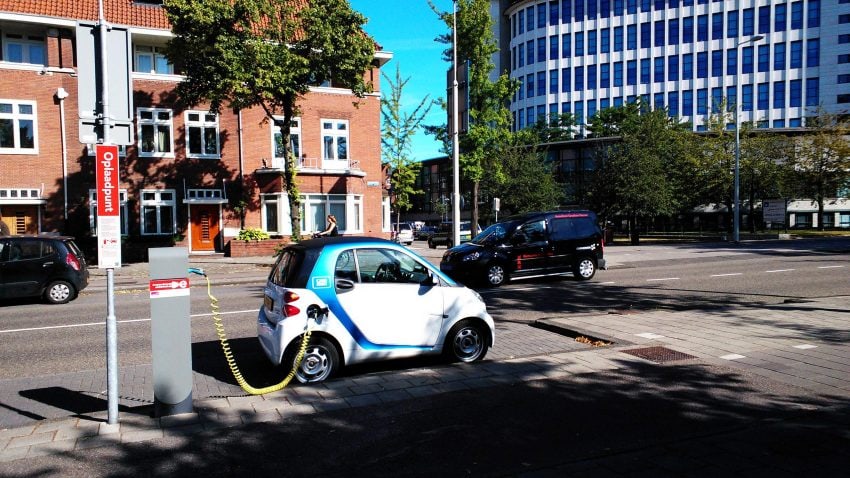
The IEA found that transport is electrifying at a record pace. Outside China, electric car sales have climbed 60% over the past nine months.
Birol named three main forces behind the surge in demand: AI and data centres, electric transport, and air conditioning. He said air conditioning is the largest in terms of volume, with demand rising sharply as heatwaves become hotter and more frequent.
A 2035 target on the table
Representatives of 185 countries are meeting in Antalya over two weeks. Electrification is a key item on the agenda, including a proposal that electricity should supply 35% of the world’s final energy by 2035. Experts say this could be among the most effective ways to decarbonise economies by mid-century.
Electricity currently meets around a quarter of energy needs. Fossil fuels supply the other three-quarters, mainly for transport, heating and industry. Birol said electricity is also increasingly generated from renewables, and that shift will accelerate.
Experts say clean electrification brings an efficiency gain. Fossil fuel systems lose much of their energy as waste heat, so when those uses switch to electricity, only about half as much energy needs to be replaced.
Birol said most countries support the target, and he has worked closely with Turkey and Australia, which jointly preside over this year’s summit. He said adopting it would send a clear message to markets and investors that governments see electricity as the future of energy. It could also make the transition quicker and cheaper, and he called it potentially one of the most consequential Cop decisions in years.