KARACHI – The speculation to split Sindh and other provinces into smaller administrative units gains momentum and Pakistan Peoples Party (PPP) Chairman Bilawal Bhutto-Zardari issued a stark warning against any forced division of PPP-led province, warning that such a move bring chaos.
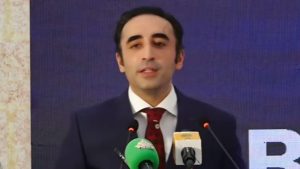
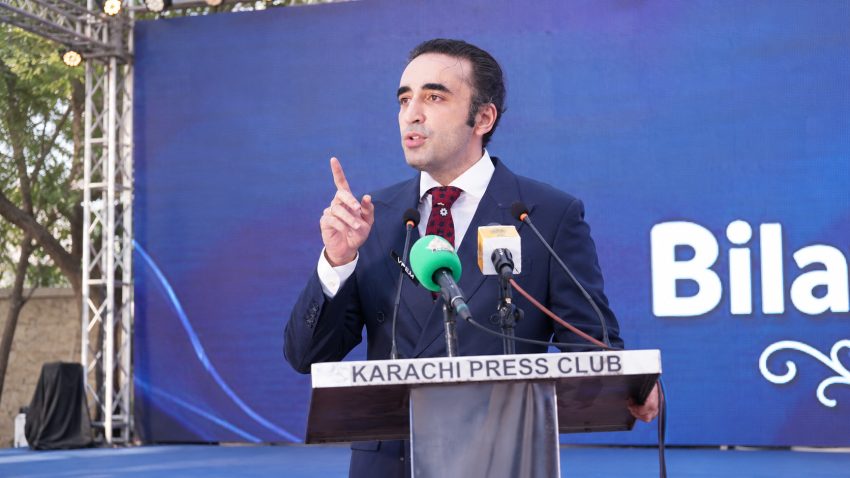
PPP leader alleged that the country’s governance structure had been deliberately brought to the brink of collapse, demanding a major political reset to restore democracy and public trust. Addressing journalists during a Meet the Press session at the Karachi Press Club on Tuesday, Bilawal delivered a wide-ranging critique of the country’s political leadership, constitutional changes, institutional failures and growing economic difficulties.
His strongest remarks came amid renewed debate over the creation of new provinces, particularly proposals involving Sindh and Karachi. PPP chairman made it clear that his party would not oppose the establishment of new provinces if the process reflected public wishes and followed the Constitution. However, he warned that imposing such a decision on Sindh could have consequences far beyond political disagreement.
Bilawal openly said forcibly dividing the province could bring nothing but tensions so severe that ordinary people might resort to weapons, transforming political differences into deep-rooted hostility. He warned that violence could spread through Karachi and other parts of Sindh, potentially turning members of the same communities against one another.
Bilawal said those responsible for imposing such decisions would ultimately be questioned over any bloodshed that followed. He stressed that he did not want to witness a situation in which political decisions led to people killing one another.
He challenged the growing narrative that Pakistan’s existing governance structure had completely failed and required an administrative reset. He argued that the real question was not whether the system had collapsed, but who had contributed to its destruction and why.
PPP leader acknowledged that he, too, shared responsibility for the country’s political failures. However, he maintained that replacing the existing structure without addressing the causes of its breakdown would only deepen the crisis. PPP leader called for a comprehensive political reset, insisting that meaningful change must begin with Parliament rather than through decisions imposed outside democratic institutions.
Returning to the debate over provincial boundaries, Bilawal said the PPP’s position was rooted in democratic consent rather than blanket opposition to administrative changes. He maintained that the party supported new provinces where citizens genuinely demanded them and where constitutional requirements were fulfilled. However, he warned that forcibly altering Sindh’s boundaries could fracture society and trigger prolonged unrest.
PPP chairman said he wanted to make political decisions that he could defend before voters in future elections rather than endorse arrangements imposed without their consent. He argued that Pakistan’s political leadership should focus on rebuilding institutions, ensuring fair distribution of resources and addressing the economic crisis instead of introducing divisive proposals.
Bilawal’s message was unmistakable: Pakistan needs political reconciliation, institutional reform and constitutional democracy, not forced decisions that could deepen divisions and push the country towards another dangerous confrontation.
‘Imran Khan is a Political Prisoner’
Bilawal also commented on PTI chief Imran Khan’s troubles and termed former prime minister a political prisoner. He called for release of political detainees, arguing that the country would eventually have to take this step if it wanted genuine political reconciliation.
Bilawal urged the government to engage directly with PTI rather than continue relying on confrontation. He suggested that Governor’s Rule could be ended if PTI agreed to cooperate in efforts against terrorism. Questioning Pakistan’s recurring history of imprisoning former prime ministers, Bilawal asked whether every leader who had occupied the country’s highest executive office could realistically be considered corrupt.
He raised the possibility that the pattern reflected political victimisation rather than consistent accountability. PPP chairman expressed hope for a future in which serving as prime minister would no longer be followed by imprisonment after leaving office. He also demanded an end to political revenge and punitive actions against opponents.
PPP chairman also turned his attention to constitutional developments, questioning the legitimacy of the parliamentary majority used to approve the 27th Constitutional Amendment. Bilawal alleged that opposition parties had been deprived of reserved seats, allowing the ruling side to secure constitutional changes without sufficient political agreement.
He contrasted the amendment with the 26th Constitutional Amendment, which he said had been passed through negotiation and mutual understanding despite differences among political parties.
The 27th Amendment, he argued, was approved through what he described as a forced majority rather than genuine consensus. He further claimed that the resignations of senior judges following the amendment demonstrated the extent of declining confidence within the judiciary. Bilawal warned that constitutional changes carried out without broad acceptance could damage the credibility of state institutions.
He insisted that restoring public confidence in Parliament, the judiciary and other institutions was essential for Pakistan’s political stability.
PPP chairman also criticised attempts to rush major policy decisions without parliamentary debate, saying neither Parliament nor the federal cabinet had properly discussed proposals relating to provincial restructuring.