
KABUL – Tensions along Pakistan-Afghanistan border have been running high for weeks, with continued cross-border clashes and military operations and now Pakistan, Afghan Taliban, and China came together for the first-ever trilateral talks.
Islamabad, Kabul, and Beijing concluded their first-ever trilateral talks in Urumqi on Wednesday, showing cautious but potentially game-changing step toward easing weeks of intense border tensions.
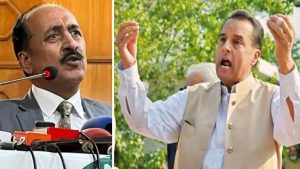
Pakistan’s delegation was led by Additional Foreign Secretary Syed Ali Asad Gillani, while Afghan Taliban sent a six-member team. China played the role of host and mediator, facilitating a dialogue that many hope could redefine regional security.
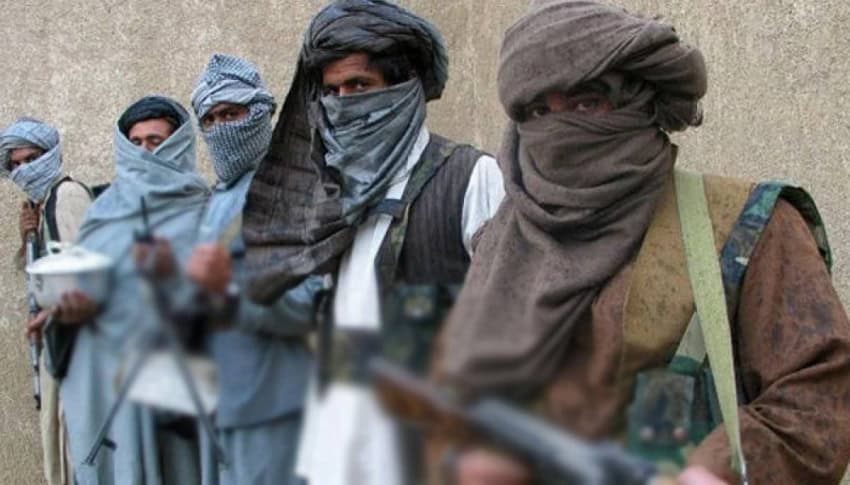
Islamabad demanded dismantling of terrorist safe havens in Afghanistan, particularly those linked to the banned Tehreek-e-Taliban Pakistan (TTP), and pressed for a verifiable, written mechanism to ensure militant groups are neutralized. Sources say the Taliban delegation, after internal consultations, responded positively.
All sides agreed to continue the trilateral dialogue, underlining China’s growing influence in maintaining peace between Islamabad and Kabul.
The talks follow tense period marked by Pakistan’s Operation Ghazab lil-Haq, launched on February 26 to target militant hideouts inside Afghan territory after unprovoked cross-border attacks by Taliban forces. Diplomatic relations had largely frozen since the operation began, heightening fears of a wider regional conflict.
A temporary ceasefire was observed from March 18 to 23 during Eid al-Fitr, partly thanks to mediation efforts from Saudi Arabia, Qatar, and Turkiye. Pakistan’s military has repeatedly stressed that lasting peace depends on decisive action against terrorist groups. Field Marshal Syed Asim Munir, Chief of Army Staff and Chief of Defence Forces, warned that stability in the region will remain elusive unless the Taliban cut all ties with terror outfits.
Pakistan slams India of backing TTP, other Terror Networks amid Afghanistan Strike Row