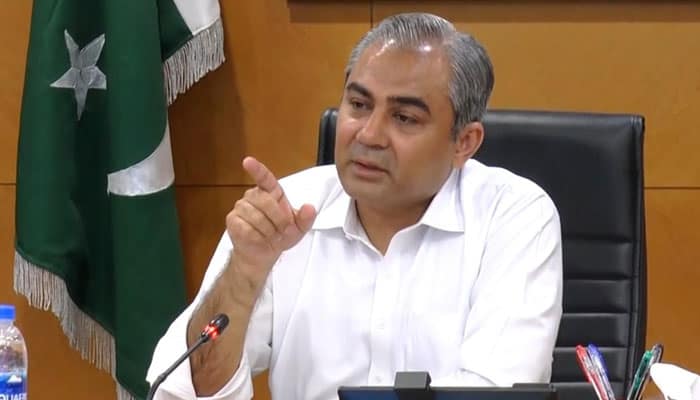
LAHORE – Interior Minister Mohsin Naqvi again called for a sweeping “system reset,” urging the country to dramatically expand exports, revive domestic manufacturing and build a stronger “Made in Pakistan” economy.
Addressing Lahore Chamber of Commerce and Industry (LCCI), Naqvi said Pakistan’s economic and administrative systems were on the verge of major change and argued that strengthening industrial production was essential for long-term economic stability. His message to the business community was direct: Pakistan must produce more at home and sell more abroad.
Pointing to Iran as example, Naqvi said the country had managed to develop industries despite years of international restrictions. He said his repeated visits to Iran had changed his perception of the impact of sanctions, claiming that the country maintained significant industrial activity across sectors including construction and automobiles.
He also placed exports at the heart of the economic challenge, saying the country must find ways to increase foreign sales. According to the minister, expanding exports and domestic industrial capacity could provide a stronger foundation for sustainable economic growth.
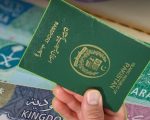
Naqvi also revealed progress on a proposed “business passport” designed to make international travel easier for genuine Pakistani businesspeople. The proposal, which has reportedly been under consideration for several months, is intended to address visa-related difficulties faced by traders and industrialists travelling abroad.
A separate passport for verified businesspeople had previously been proposed for approval by Prime Minister Shehbaz Sharif and the federal cabinet. The proposed mechanism would include business and tax information and stronger applicant verification, allowing foreign missions to more easily identify legitimate business travellers.
For Pakistan’s business community, the proposal is aimed at removing some of the hurdles that can complicate international commercial travel.
Former caretaker federal minister and businessman Gohar Ejaz delivered an equally pointed assessment of Pakistan’s export performance.
Ejaz said Pakistan’s exports were around $21 billion in 2010 and stand at approximately $30 billion today. He questioned whether an increase of only about $9 billion over 16 years was enough to support an economy facing mounting financial obligations.
Ejaz warned that Pakistan’s public education system could struggle to absorb estimated 2 million to 2.5 million additional children, highlighting the scale of the capacity challenge facing government schools. The warning adds another dimension to the country’s broader structural problems, with pressure mounting not only on exports and public finances but also on essential services.